
Rosacea: Symptoms, Causes & Treatments | SendClinic
- Home
- Rosacea: Symptoms, Causes & Treatments | SendClinic
- 26 Jul, 2026
- SendClinic
- comments off
Rosacea: Symptoms, Causes & Treatments | SendClinic
Living with Rosacea: What You Need to Know
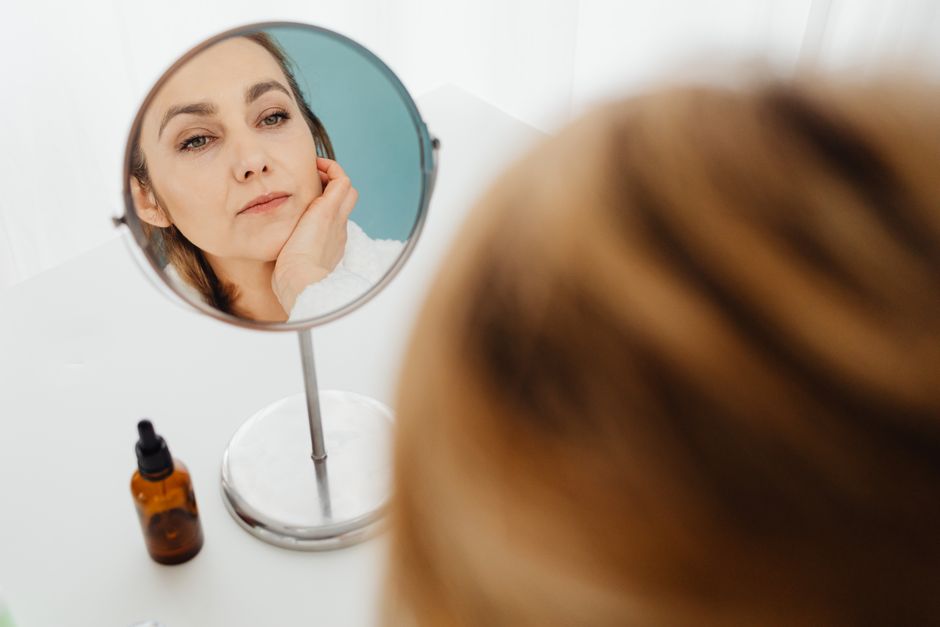
You wake up, look in the mirror, and notice your cheeks are red again. Maybe your nose looks flushed, or small bumps have appeared on your skin that just won’t go away. If this sounds familiar, you might be dealing with rosacea. This common skin condition affects millions of people, and while it can feel frustrating and embarrassing, the good news is that it is very manageable. Understanding what rosacea is, what causes it to flare up, and how it can be treated can make a big difference in how you feel every day.
Rosacea is a long-term skin condition that mainly affects the face. It comes and goes in cycles, meaning your skin might look fine for weeks and then suddenly flare up. It is most common in adults between the ages of 30 and 60, and it tends to affect people with fair skin more often. However, rosacea can happen to anyone. Learning to recognize it early is one of the best steps you can take for your skin health.
What Are the Symptoms of Rosacea?
Rosacea looks different from person to person, which can make it tricky to identify at first. The most common sign is persistent redness in the center of the face, especially on the cheeks, nose, forehead, and chin. This redness can look like a blush or sunburn that never fully goes away. Over time, small blood vessels called telangiectasias may become visible under the skin’s surface.
Other symptoms can include small, red, pus-filled bumps that look similar to acne. This is sometimes called “acne rosacea,” but it is different from regular acne. Some people also experience skin that feels hot, tender, or swollen. In more serious cases, the skin on the nose can thicken and become bumpy, a condition called rhinophyma. This is more common in men than women.
Rosacea can also affect the eyes. This is called ocular rosacea, and it causes the eyes to feel dry, irritated, red, or gritty. Some people experience eye symptoms before they ever notice skin changes. If your eyes are often red and irritated along with any facial redness, it is worth speaking with a healthcare provider to find out what might be going on.
What Causes Rosacea?
Doctors and researchers are still learning about exactly what causes rosacea. It appears that a mix of factors plays a role. Genetics seems to be important, since rosacea often runs in families. If a close relative has it, you may be more likely to develop it too. There is also evidence that the immune system and certain proteins in the skin may be involved in causing inflammation.
Another factor that researchers have studied is the role of tiny mites called Demodex folliculorum that live naturally on human skin. People with rosacea tend to have more of these mites than people without the condition. Whether the mites cause rosacea or are simply more common in affected skin is still being studied.
While the root cause of rosacea is not fully understood, certain triggers are well known to make symptoms worse. Common triggers include sun exposure, hot drinks, spicy foods, alcohol, temperature extremes, exercise, stress, and certain skin care products. Keeping track of your triggers in a simple journal can help you avoid flare-ups and better manage your condition over time.
Types of Rosacea
Doctors generally recognize four main subtypes of rosacea. The first is erythematotelangiectatic rosacea, which involves redness, flushing, and visible blood vessels. The second is papulopustular rosacea, which includes redness along with acne-like breakouts. This is one of the most common types and is often confused with regular acne.
The third type is phymatous rosacea, where the skin thickens and has a bumpy texture, often affecting the nose. The fourth type is ocular rosacea, which affects the eyes and eyelids as described above. Some people experience more than one type at the same time. Identifying which type or types you have is an important step toward finding the right treatment plan.
It is also worth knowing that rosacea tends to get worse over time if it is not treated. What starts as occasional flushing can progress to more persistent redness and other symptoms. Early care and attention can help slow the progression and keep symptoms under better control.
How Is Rosacea Treated?
There is currently no cure for rosacea, but there are many effective ways to manage it and reduce flare-ups. Treatment usually focuses on controlling symptoms and protecting the skin. One of the most important steps is identifying and avoiding your personal triggers. Simple lifestyle changes, like wearing broad-spectrum sunscreen every day and avoiding very hot beverages, can make a noticeable difference.
Topical medications applied to the skin are often used to reduce redness and bumps. These include prescription creams and gels that a licensed provider can recommend based on your specific symptoms. For more severe cases, oral antibiotics or other prescription medications may be used for a period of time. Laser and light-based treatments are also available and can help reduce visible blood vessels and redness.
Gentle skin care is also very important. Using mild, fragrance-free cleansers and moisturizers can help protect the skin barrier and reduce irritation. It is best to avoid harsh scrubs, alcohol-based toners, and products with strong fragrances. Always patch-test new products before applying them all over your face.
When Should You See a Provider?
If you notice ongoing redness, bumps, or eye irritation that does not go away, it is a good idea to speak with a healthcare provider. Rosacea can sometimes be confused with other conditions like eczema, lupus, or acne, so getting an accurate diagnosis matters. A provider can review your symptoms and help you put together a treatment plan that works for your life.
Getting care for a skin concern has never been easier. SendClinic offers convenient video and phone visits with licensed providers, so you can get the guidance you need from the comfort of your own home. No insurance is required, and appointments are fast and affordable. Whether you are dealing with a new skin concern or managing an ongoing condition, help is just a click away.
Conclusion
Rosacea may be a long-term condition, but it does not have to control your life. With the right knowledge, a few lifestyle adjustments, and proper care from a qualified provider, most people with rosacea can keep their symptoms well managed. You deserve to feel comfortable and confident in your own skin. Take that first step today and reach out to a provider who can help you find the relief you are looking for.
References
- National Institute of Arthritis and Musculoskeletal and Skin Diseases. “Rosacea.” National Institutes of Health. 2023.
- van Zuuren, Esther J. “Rosacea.” New England Journal of Medicine. 2017.
- Mayo Clinic Staff. “Rosacea.” Mayo Clinic. 2023.
- Gallo, Richard L., et al. “Standard Classification and Pathophysiology of Rosacea.” Journal of the American Academy of Dermatology. 2018.
- Thiboutot, Diane, et al. “Standard Management Options for Rosacea.” Journal of the American Academy of Dermatology. 2019.
Need care today? Skip the waiting room.
See a licensed provider by phone or video — fast, affordable, and from the comfort of home. No insurance required.
Individual results may vary. SendClinic is operated by Affection Health Care LLC.
- Share
