
Psoriasis: Causes, Symptoms & Treatment Options
- Home
- Psoriasis: Causes, Symptoms & Treatment Options
- 25 Jul, 2026
- SendClinic
- comments off
Psoriasis: Causes, Symptoms & Treatment Options
Living With Psoriasis: What You Need to Know
If you have ever noticed thick, scaly patches on your skin that just won’t go away, you are not alone. Psoriasis affects millions of people around the world. It can show up on your elbows, knees, scalp, or almost anywhere on your body. The patches can itch, burn, or feel sore. For many people, psoriasis also affects how they feel about themselves. Understanding what psoriasis is and what causes it can help you take better care of your skin and your overall health.
The good news is that psoriasis is a well-studied condition. Doctors and researchers know a lot about it, and there are many treatment options available today. Whether your symptoms are mild or more severe, learning about your condition is the first step toward managing it well.
What Is Psoriasis?
Psoriasis is a chronic skin condition caused by an overactive immune system. Normally, skin cells grow and shed over the course of about a month. In people with psoriasis, the immune system sends faulty signals that speed up this process. Skin cells can grow and build up on the surface in just a few days instead of weeks. This buildup creates the thick, scaly patches that are the hallmark of the condition.
Psoriasis is not contagious. You cannot catch it from another person by touching them or being near them. It is also not caused by poor hygiene. Psoriasis is an autoimmune condition, which means the body is essentially reacting to itself. It tends to go through cycles, flaring up for a period of time and then calming down.
There are several types of psoriasis. The most common type is called plaque psoriasis, which causes raised, red patches covered with silvery-white scales. Other types include guttate psoriasis, which appears as small drop-shaped spots, and pustular psoriasis, which causes pus-filled blisters. A doctor can help identify which type you have.
What Causes Psoriasis?
Psoriasis is caused by a combination of genetics and immune system problems. If someone in your family has psoriasis, you may have a higher chance of developing it too. However, not everyone with a family history will get psoriasis, and some people develop it with no family history at all.
The immune system plays a big role. In psoriasis, a type of white blood cell called a T cell mistakenly attacks healthy skin cells. This triggers inflammation and speeds up skin cell production. Scientists believe certain genes make some people more likely to have this immune response.
Certain things can trigger a flare-up or make symptoms worse, including:
- Stress
- Skin injuries such as cuts, scrapes, or sunburns
- Infections, especially strep throat
- Certain medications, including some blood pressure drugs and lithium
- Smoking and heavy alcohol use
- Cold, dry weather
Knowing your personal triggers can help you reduce the number and severity of flare-ups. Keeping a simple journal of your symptoms and daily habits may help you spot patterns over time.
Common Symptoms of Psoriasis
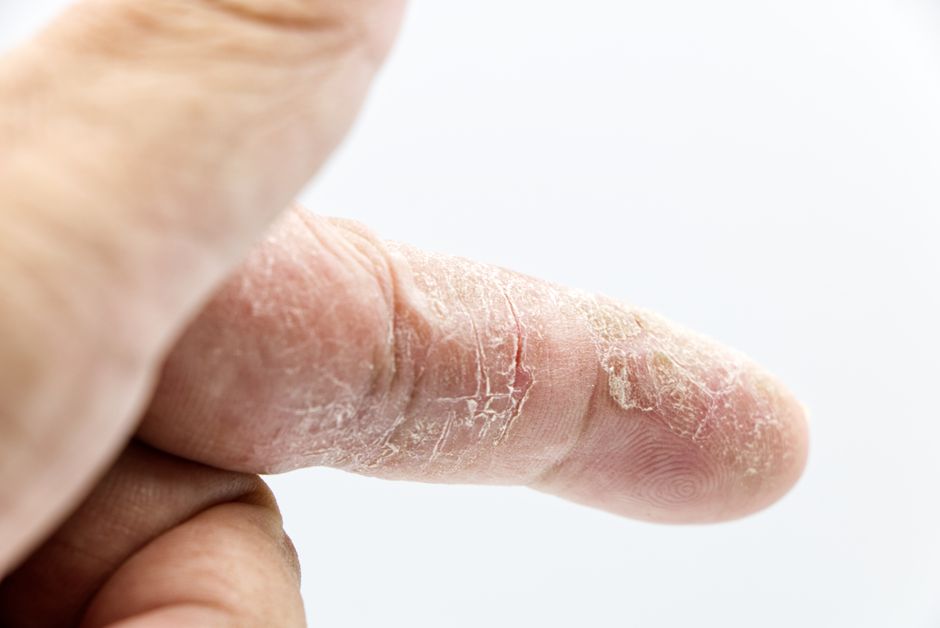
Psoriasis symptoms can look different from person to person. In most cases, the condition causes red or discolored patches of skin covered with thick, silvery scales. These patches may be itchy or painful. Some people describe a burning feeling on the affected skin. The patches can appear anywhere on the body, but they most often show up on the elbows, knees, lower back, and scalp.
People with psoriasis may also experience cracked, dry skin that sometimes bleeds. Nails can become thick, pitted, or ridged, and they may separate from the nail bed. In some cases, a related condition called psoriatic arthritis can develop, causing joint pain, stiffness, and swelling. Psoriatic arthritis affects a significant number of people who have psoriasis and should be taken seriously.
Symptoms can range from mild — with just a few small patches — to severe, covering large areas of the body. Even mild psoriasis can have a big impact on a person’s quality of life, especially when it appears in visible areas like the face or hands.
How Is Psoriasis Diagnosed?
A healthcare provider can usually diagnose psoriasis by looking at your skin, nails, and scalp. In most cases, no special tests are needed. The provider will ask about your symptoms, your family history, and any triggers you may have noticed. They may also ask about joint pain to check for signs of psoriatic arthritis.
In some cases, a provider may take a small sample of skin, called a biopsy, to rule out other skin conditions. This is not always necessary, but it can help confirm the diagnosis when the appearance of the skin is not typical. If you are unsure about what is going on with your skin, speaking with a licensed provider is always a good idea. Telehealth services like SendClinic make it easy to connect with a provider quickly, without needing to wait weeks for an in-person appointment.
Treatment Options for Psoriasis
There is no cure for psoriasis, but there are many effective ways to manage it. Treatment depends on the type of psoriasis you have, how severe it is, and how it affects your daily life. A provider will work with you to find the best approach for your needs.
Common treatment options include:
- Topical treatments: Creams and ointments applied directly to the skin are often the first step. These can include corticosteroids, vitamin D analogs, and moisturizers to soothe and reduce scaling.
- Light therapy (phototherapy): Controlled exposure to ultraviolet light can slow skin cell growth and reduce symptoms.
- Oral or injected medications: For moderate to severe psoriasis, providers may recommend pills or injections that work throughout the body to calm the immune response.
- Biologics: These are newer medications that target specific parts of the immune system. They are often used for people who have not responded well to other treatments.
Lifestyle changes can also make a meaningful difference. Keeping skin moisturized, managing stress, avoiding known triggers, maintaining a healthy weight, and quitting smoking can all help reduce flare-ups. Many people find that a combination of medical treatment and healthy habits gives them the best results.
Taking the Next Step
Living with psoriasis can be challenging, but you do not have to figure it out alone. With the right information and the right care team, most people are able to manage their symptoms and live full, active lives. Flare-ups may still happen, but understanding your triggers and sticking with your treatment plan can make them less frequent and less severe.
If you think you may have psoriasis or you are looking for help managing your symptoms, reaching out to a healthcare provider is a great place to start. SendClinic offers convenient video and phone visits with licensed providers — no insurance required — so you can get the guidance you need from the comfort of your own home. Your skin health matters, and help is closer than you think.
References
- National Institute of Arthritis and Musculoskeletal and Skin Diseases. “Psoriasis.” National Institutes of Health. 2023.
- Centers for Disease Control and Prevention. “Psoriasis.” CDC. 2022.
- Mayo Clinic Staff. “Psoriasis.” Mayo Clinic. 2023.
- Menter, Alan, et al. “Joint AAD-NPF Guidelines of Care for the Management and Treatment of Psoriasis with Biologics.” Journal of the American Academy of Dermatology. 2019.
- Rachakonda, Tejesh D., et al. “Psoriasis Prevalence Among Adults in the United States.” Journal of the American Academy of Dermatology. 2014.
Need care today? Skip the waiting room.
See a licensed provider by phone or video — fast, affordable, and from the comfort of home. No insurance required.
Individual results may vary. SendClinic is operated by Affection Health Care LLC.
- Share
