
Adult Acne: Causes & Treatment Options | SendClinic
- Home
- Adult Acne: Causes & Treatment Options | SendClinic
- 27 Jul, 2026
- SendClinic
- comments off
Adult Acne: Causes & Treatment Options | SendClinic
When Breakouts Don’t Stop After Your Teenage Years
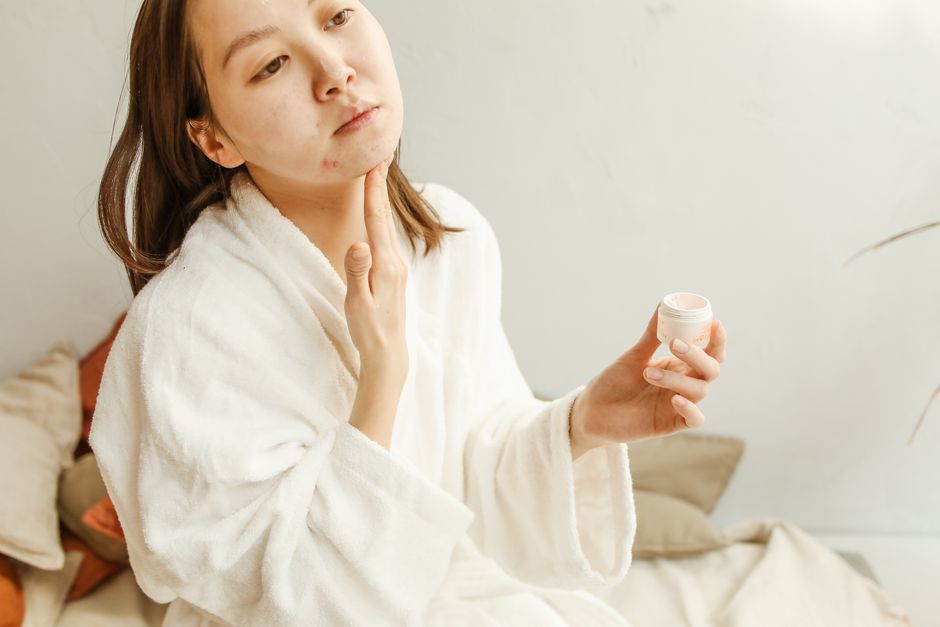
You made it through high school, finished college, maybe even started a career or a family — and yet, there it is. A new pimple on your chin. Another red bump along your jawline. If you thought acne was something you’d leave behind in your teens, you’re not alone. Adult acne is incredibly common, and it can be just as frustrating — sometimes even more so — than the breakouts you dealt with as a teenager. The good news is that understanding why it happens is the first step toward doing something about it.
Adult acne affects millions of people in their 20s, 30s, 40s, and beyond. It doesn’t mean you’re doing something wrong or that you have poor hygiene. Acne is a skin condition with real biological causes, and it responds to real treatments. Let’s break down what’s actually going on with your skin and what options are available to help.
What Causes Adult Acne?
Acne happens when hair follicles in your skin get clogged with oil, dead skin cells, and bacteria. This can cause whiteheads, blackheads, pimples, or deeper, more painful cysts. In adults, several factors can trigger or worsen this process, and it often looks different from teenage acne. Adult breakouts tend to cluster around the lower face — the chin, jawline, and neck — rather than the forehead and nose.
Hormones are one of the most common culprits. Changes in hormone levels — especially androgens — can increase oil production in the skin. This is why many women notice breakouts tied to their menstrual cycle, pregnancy, or menopause. Stress also plays a real role. When you’re stressed, your body releases a hormone called cortisol, which can signal your skin to make more oil. A busy, stressful life can quite literally show up on your face.
Other contributing factors include certain medications, skincare products that clog pores, and diet. Some research suggests that high-glycemic foods and dairy may worsen acne in some people, though this varies from person to person. Genetics also matter — if your parents struggled with acne as adults, you may be more likely to as well.
Types of Adult Acne
Not all acne looks or acts the same way. Understanding the type you have can help guide treatment choices. Comedonal acne includes blackheads and whiteheads. These form when pores get clogged with oil and dead skin but don’t become inflamed. They’re often found on the forehead and nose and tend to respond well to topical treatments.
Inflammatory acne includes red, swollen pimples and pustules. These happen when bacteria get involved and your immune system responds. They can be tender or painful to the touch. Cystic acne is the most severe form — deep, painful lumps under the skin that can last for weeks and are more likely to leave scars. Cystic acne often requires treatment from a healthcare provider.
Many adults deal with a mix of these types at the same time. You might have a few whiteheads along with an occasional painful cyst. Knowing what you’re dealing with can help you avoid treatments that might make one type better while irritating another.
Over-the-Counter Treatment Options
For mild to moderate acne, many people start with products available at the drugstore. These can be effective, but it’s important to use them correctly and give them enough time to work — most take several weeks before you’ll notice a real difference. Jumping between products too quickly is a common mistake that can actually make things worse.
Benzoyl peroxide kills acne-causing bacteria and helps remove excess oil and dead skin. It comes in different strengths and is found in washes, gels, and spot treatments. Salicylic acid helps unclog pores and is especially useful for blackheads and whiteheads. Adapalene, a retinoid that was once prescription-only, is now available over the counter and helps speed up skin cell turnover to prevent clogged pores.
It’s also worth taking a close look at your skincare routine. Heavy or greasy moisturizers, certain sunscreens, and makeup that isn’t labeled non-comedogenic (meaning it won’t clog pores) can all contribute to breakouts. Washing your face gently twice a day with a mild cleanser — and resisting the urge to scrub hard — is a solid foundation for any acne routine.
Prescription Treatment Options
When over-the-counter options aren’t enough, prescription treatments can make a significant difference. A licensed provider can evaluate your skin and recommend something tailored to your specific type of acne. Common prescription options include topical antibiotics, stronger retinoids like tretinoin, and combination creams that target multiple causes of acne at once.
For women, hormonal treatments are sometimes used. Oral contraceptives and a medication called spironolactone can help regulate the hormone fluctuations that trigger breakouts. These aren’t right for everyone, but for those with hormonally driven acne, they can be very effective. For severe cystic acne, a provider may discuss isotretinoin, a powerful oral medication that requires careful monitoring.
Getting a prescription doesn’t have to mean a long wait for a dermatology appointment. Telehealth services like SendClinic make it easy to connect with a licensed provider from home via phone or video. You can describe your symptoms, discuss your skin history, and get a treatment plan without having to sit in a waiting room.
Lifestyle Changes That Can Help
While no lifestyle change alone will cure acne, several habits can support clearer skin alongside whatever treatment you’re using. Managing stress through exercise, sleep, and relaxation techniques may help reduce cortisol-driven breakouts. Staying hydrated and eating a balanced diet with plenty of vegetables and whole grains is good for your overall health — and may benefit your skin too.
Try to avoid touching your face throughout the day. Your hands carry oil and bacteria that can clog pores. Also resist the urge to pop or squeeze pimples — this can push bacteria deeper into the skin and increase the risk of scarring. Changing your pillowcase frequently and cleaning your phone screen regularly are small habits that can reduce the bacteria your face comes in contact with every day.
When to Talk to a Provider
If your acne is painful, leaving scars, affecting your confidence, or simply not responding to what you’ve tried on your own, it’s time to reach out to a healthcare provider. You don’t have to just live with it. Effective treatments exist, and finding the right one is much easier with professional guidance.
SendClinic offers fast, affordable telehealth visits with licensed providers who can help you explore your options — no insurance required. Whether you’re dealing with stubborn hormonal breakouts or wondering if a prescription might help, getting a professional opinion is a simple, worthwhile step toward feeling better in your own skin.
References
- Kraft, John, and Anatoli Freiman. “Management of Acne.” Canadian Medical Association Journal. 2011.
- Tan, Jerry K.L., and Kang Bhate. “A Global Perspective on the Epidemiology of Acne.” British Journal of Dermatology. 2015.
- Zaenglein, Andrea L., et al. “Guidelines of Care for the Management of Acne Vulgaris.” Journal of the American Academy of Dermatology. 2016.
- “Acne.” Mayo Clinic. 2022.
- Bhate, Kang, and H.C. Williams. “Epidemiology of Acne Vulgaris.” British Journal of Dermatology. 2013.
Need care today? Skip the waiting room.
See a licensed provider by phone or video — fast, affordable, and from the comfort of home. No insurance required.
Individual results may vary. SendClinic is operated by Affection Health Care LLC.
- Share
