
Can Telehealth Help With Blood Pressure Control?
- Home
- Can Telehealth Help With Blood Pressure Control?
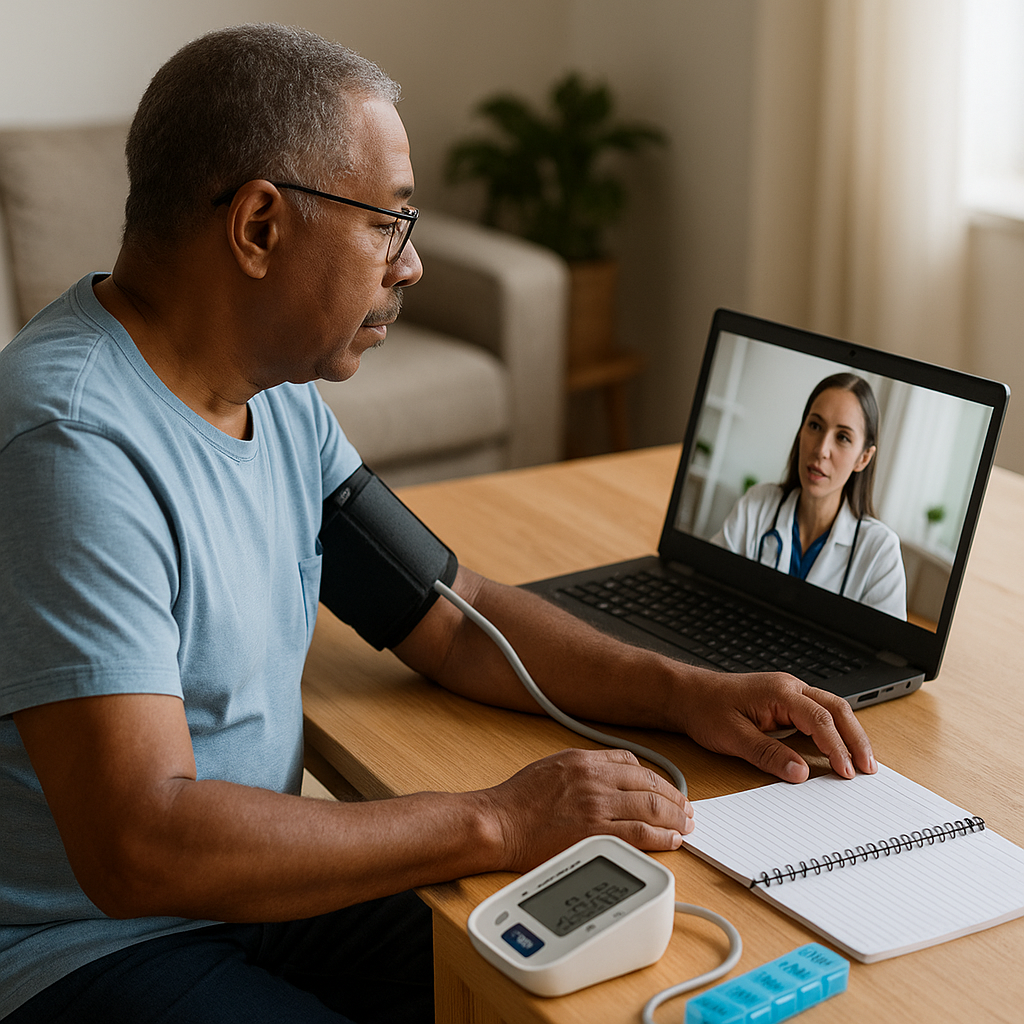
Can Telehealth Help With Blood Pressure Control?
Estimated read time: 7 minutes
TL;DR: Yes. Video visits make it easier to measure blood pressure correctly at home, share a reliable log, adjust medicines safely, and keep up with lifestyle changes. Many people reach goal faster with a home monitor plus short telehealth check-ins than with occasional clinic visits. If your blood pressure is 180/120 or higher with symptoms (chest pain, shortness of breath, weakness on one side, severe headache, vision changes), call emergency services.
Why telehealth works for blood pressure
- Less “white coat” effect: Readings at home are often more accurate than one-off clinic numbers.
- Faster tweaks: Short video or chat check-ins let your clinician adjust doses or add a second medicine without waiting weeks.
- Coaching & accountability: Lifestyle goals (salt, activity, weight, sleep) stick better with quick follow-ups.
- Remote monitoring (optional): Some cuffs upload readings automatically so your care team can spot trends.
Step 1: Get the right home monitor
- Choose a validated, automatic upper-arm cuff (not wrist/finger).
- Use the correct cuff size (measure your arm midway between shoulder and elbow).
- Put in fresh batteries, set date/time, and keep it on a table near a supportive chair.
Step 2: Measure blood pressure the right way
Do this each time for the most trustworthy numbers:
- Avoid caffeine, nicotine, or exercise for 30 minutes; empty your bladder.
- Sit for 5 minutes: back supported, feet flat, legs uncrossed.
- Arm bare (not over clothing), supported at heart level.
- No talking, no phone scrolling.
- Take two readings, 1 minute apart. Record the second one (or average both if your cuff does that).
- Measure on the same arm each time.
Step 3: Make a 7-day home BP log (share at your visit)
- Morning (before meds/coffee) and evening (before dinner).
- Do this for 7 days; ignore day 1 (it’s often higher).
- Average the rest. That average helps your clinician decide next steps.
What to record: date/time, systolic (top), diastolic (bottom), pulse, which meds you took, and any symptoms (dizziness, headache, swelling, cough).
Step 4: Know your target (and why it can differ)
- Many adults aim for under 130/80 mmHg if safe and tolerated.
- Your personal goal may differ based on age, kidney function, diabetes, pregnancy, side-effects, or fall risk.
- Telehealth helps tailor the right goal for you.
Medicines: what to expect (plain English)
Your clinician may start with one or two of these and adjust every 2–4 weeks:
- ACE inhibitor or ARB (e.g., lisinopril, losartan): protect heart/kidneys; may need bloodwork. ACE inhibitors can cause cough—tell your clinician.
- Calcium channel blocker (e.g., amlodipine): effective; can cause ankle swelling at higher doses.
- Thiazide-type diuretic (e.g., chlorthalidone, hydrochlorothiazide): helps your body shed salt/water; may affect potassium.
- Beta blocker (e.g., metoprolol): often used if you have heart disease, fast heart rate, or certain arrhythmias.
Tips
- Take meds at a consistent time you can remember (use phone reminders or a pillbox).
- Don’t stop suddenly; message your clinician if you notice side-effects.
- Don’t combine ACE inhibitor + ARB unless your clinician specifically tells you to.
Lifestyle moves that actually lower blood pressure
- Salt: Aim to reduce sodium (cook more at home; check labels; swap sauces/instant meals for fresh options).
- DASH-style eating: More vegetables, fruit, beans, nuts, whole grains; less processed meat and refined carbs.
- Activity: Target 150 minutes/week of moderate exercise (or whatever your clinician approves).
- Weight: Even 5–10 lb loss can help.
- Alcohol: Keep it light (or none).
- Sleep & stress: Keep a steady sleep schedule; ask about sleep apnea if you snore or feel unrefreshed.
- Pain meds: Frequent NSAIDs (like ibuprofen) can raise BP—ask about safer alternatives.
Special situations
- Pregnancy: Use pregnancy-safe monitors/meds and follow OB guidance closely. Telehealth is great for frequent check-ins.
- Diabetes or kidney disease: Targets and medicine choices may differ; share your latest labs during visits.
- Dizziness or falls: Your clinician may ask you to check BP standing (after 1–3 minutes) to look for drops.
When to get help right away
- Call emergency services: BP ≥180/120 with chest pain, shortness of breath, severe headache, weakness on one side, confusion, vision loss, or if you feel “not right.”
- Same-day care/urgent telehealth: BP ≥180/120 without symptoms (repeat after 1–2 minutes of quiet rest; if still high, seek care).
- Stop and message your clinician if you faint, feel very dizzy standing, or have severe swelling, rash, or new cough after a med change.
Your telehealth visit: how to prepare
- Share your 7-day BP log (photo or spreadsheet).
- Show your cuff on camera so the clinician can check fit and technique.
- List all meds and supplements (include dosage and timing).
- Have a recent weight, any home readings of blood sugar (if applicable), and questions you want answered.
How SendClinic can help
- Quick video visits to review your log and set a personal BP goal
- Medication adjustments and refills, with clear dosing instructions
- Remote monitoring options for automatic uploads and reminders
- Lifestyle coaching and follow-ups so small changes add up
Start a Visit: Add your booking link here
See Pricing: Add your pricing page link here
Service Area/States: Add your link here
Educational content only. This article is not a substitute for medical advice. Always follow your clinician’s guidance and local emergency instructions.
- Share
