
When Does a Fever Need Emergency Attention?
- Home
- When Does a Fever Need Emergency Attention?
- 08 Oct, 2026
- SendClinic
- comments off
When Does a Fever Need Emergency Attention?
That Number on the Thermometer Can Feel Scary
You check your temperature and see a high number staring back at you. Your heart rate picks up. You wonder: should I go to the emergency room right now? This is one of the most common questions people have when they or a loved one gets sick. The good news is that most fevers are not emergencies. But some fevers — and some symptoms that come with them — do need fast medical care.
Knowing the difference can save you time, money, and a lot of worry. This article will walk you through what a fever actually is, when it is safe to monitor at home, and when it is time to get help right away.
What Is a Fever, Exactly?
A fever is when your body temperature rises above its normal range. For most adults, a temperature of 98.6°F (37°C) is considered average. Doctors generally define a fever as a temperature at or above 100.4°F (38°C). Your body raises its temperature on purpose — it is a defense tool your immune system uses to fight off infections caused by viruses or bacteria.
Fevers are very common. They often come along with colds, the flu, sinus infections, UTIs, and other everyday illnesses. In many cases, a fever means your body is doing exactly what it is supposed to do. It does not automatically mean something is seriously wrong.
That said, the height of the fever, how long it lasts, and the symptoms that come with it all matter. These factors help determine whether a fever can be watched at home or needs professional attention quickly.
Fever Ranges: What the Numbers Mean
Not all fevers are created equal. Doctors often think about fevers in ranges. A low-grade fever is typically between 100.4°F and 102.2°F. This range is very common with viral illnesses and usually does not require a trip to the emergency room for otherwise healthy adults.
A high fever is generally considered to be above 103°F. This can still be managed at home in many adults if the person is otherwise stable and does not have alarming symptoms. However, it deserves closer attention and a call to a doctor or telehealth provider.
A very high fever — above 104°F or 105°F — is more concerning. At this level, or if a fever reaches 103°F and does not respond to medication, you should seek medical evaluation promptly. These temperatures put more stress on your body and need professional review.
Warning Signs That Mean You Should Go to the ER Now
The number on the thermometer is only part of the story. Certain symptoms that appear alongside a fever are red flags that mean you need emergency care right away. Do not wait or try to manage these at home.
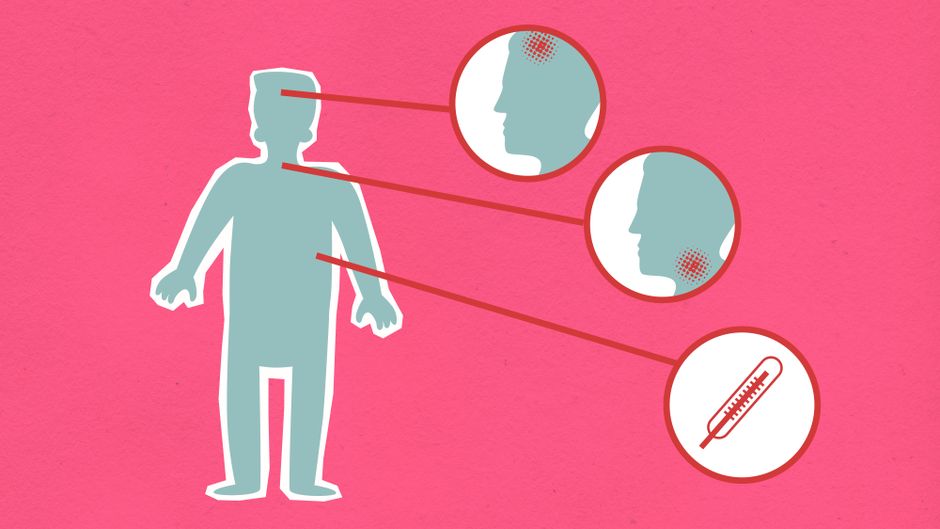
- Stiff neck with fever and headache — This combination can be a sign of meningitis, a serious infection around the brain and spinal cord.
- Confusion, difficulty staying awake, or unusual behavior — When a fever affects how a person thinks or responds, it is an emergency.
- Trouble breathing or chest pain — These symptoms always need immediate attention, fever or not.
- A rash that spreads quickly — Some rashes combined with fever point to serious infections that require fast treatment.
- Seizures — Fever-related seizures, called febrile seizures, are especially concerning and need immediate emergency evaluation.
- Signs of severe dehydration — This includes not urinating, extreme dry mouth, sunken eyes, or dizziness when standing.
If you see any of these warning signs, call 911 or go to your nearest emergency room. Do not wait to see if things improve on their own.
Special Cases: Babies, Children, and Older Adults
Fever rules are different for certain groups of people. Babies under 3 months old with any fever at or above 100.4°F need emergency evaluation right away. Their immune systems are not yet strong enough to fight infections on their own, and a fever at this age can signal a serious problem.
Children between 3 months and 3 years should be seen by a doctor if their fever goes above 102°F and lasts more than two days, or if they seem unusually fussy, limp, or hard to wake. Older adults — especially those over 65 — may not develop high fevers even when seriously ill. Any new fever in an older adult deserves medical attention sooner rather than later.
People with weakened immune systems, such as those going through chemotherapy or taking certain long-term medications, should also seek care earlier than healthy adults would. Their bodies may not respond to infection in a typical way.
What You Can Do While Waiting or Monitoring at Home
If your fever does not come with any of the red flag symptoms listed above, there are steps you can take to feel better while you monitor your condition. Staying hydrated is one of the most important things you can do. Fever increases fluid loss, so drinking water, clear broth, or electrolyte drinks can help your body cope.
Over-the-counter medications like acetaminophen or ibuprofen can help bring down a fever and relieve discomfort. Always follow the dosage directions on the label and check with a provider before giving these to young children. Rest is also key — your body needs energy to fight whatever is causing the fever.
If you are unsure whether your fever needs medical care, a telehealth visit is a quick and easy way to get guidance from a licensed provider without leaving home. SendClinic offers fast video and phone visits for common illnesses, including fevers, and can help you decide on next steps — no insurance required.
When to See a Doctor Even If It Is Not an Emergency
Some fevers are not emergencies but still need a doctor’s attention. If your fever is above 103°F and does not come down with medication, or if it has lasted more than three days, it is time to talk to a provider. A fever that goes away and then returns after a day or two is also worth getting checked out.
Adults who have a fever along with painful urination, severe sore throat, ear pain, or a new persistent cough should see a provider. These symptoms may point to infections — like UTIs, strep throat, or sinus infections — that can often be treated quickly and effectively with the right care. SendClinic treats many of these common conditions through convenient telehealth appointments.
You know your body. If something feels off or a fever is not behaving the way you expect, trust your instincts and reach out to a medical professional. Getting an answer quickly is always better than waiting and wondering.
A Fever Is a Signal, Not a Sentence
Most fevers are your body’s way of fighting back against illness. They are uncomfortable, but they are often a sign that your immune system is working. The key is knowing when to ride it out at home, when to call a provider, and when to head straight to the emergency room.
Pay attention to the numbers, but pay even more attention to how you or your loved one feels and behaves. When in doubt, reach out. Getting medical guidance early — whether in person or through telehealth — is always the smart choice.
References
- Mayo Clinic Staff. “Fever: First Aid.” Mayo Clinic. 2023.
- Nield, Linda S. and Kamat, Deepak. “Fever Without a Focus.” American Academy of Family Physicians. 2016.
- Sullivan, Jesse E. and Farrar, Henry C. “Fever and Antipyretic Use in Children.” Pediatrics. American Academy of Pediatrics. 2011.
- National Institute of Neurological Disorders and Stroke. “Febrile Seizures.” National Institutes of Health. 2023.
- Centers for Disease Control and Prevention. “Sepsis: Know the Signs.” CDC. 2022.
Need care today? Skip the waiting room.
See a licensed provider by phone or video — fast, affordable, and from the comfort of home. No insurance required.
Individual results may vary. SendClinic is operated by Affection Health Care LLC.
- Share
