
What Is Eczema & How Is It Managed | SendClinic
- Home
- What Is Eczema & How Is It Managed | SendClinic
- 24 Jul, 2026
- SendClinic
- comments off
What Is Eczema & How Is It Managed | SendClinic
When Your Skin Won’t Stop Itching
You wake up in the middle of the night scratching your arms. Your skin looks red, dry, and rough in patches. Maybe you’ve had this happen before, or maybe it’s something new and confusing. If this sounds familiar, you might be dealing with eczema. Millions of people live with this skin condition every day, and while it can be frustrating, it is manageable. Learning what eczema is and what can help is a great first step toward feeling better in your skin.
What Is Eczema?
Eczema is the name for a group of conditions that cause the skin to become inflamed, itchy, red, and irritated. The most common type is called atopic dermatitis. It often starts in childhood but can affect people of any age. Eczema is not contagious — you cannot catch it from another person or spread it to someone else by touching them.
With eczema, the skin’s natural barrier does not work as well as it should. This means the skin loses moisture more easily and is more sensitive to things in the environment. When something triggers the skin, the immune system reacts strongly, causing inflammation. This is what leads to the itching, redness, and rash you might see.
Eczema often comes and goes in cycles called flares. During a flare, symptoms get worse. Between flares, the skin may look mostly normal or calm. Understanding this pattern can help people plan and manage their care more effectively.
What Does Eczema Look Like?
Eczema can look different from person to person. On lighter skin tones, it often appears as red or pink patches. On darker skin tones, it may look brown, purple, or ashy. No matter the skin tone, affected areas often feel dry, rough, or thickened over time.
Common places where eczema shows up include the inner elbows, behind the knees, the neck, wrists, and hands. In babies, it often appears on the face and scalp. When the itch is intense, scratching can break the skin and lead to crusting or even infection, which can make things worse.
Some people also notice their skin feels hot or tight during a flare. Small fluid-filled bumps may appear and leak clear fluid. Seeing a healthcare provider is important to get an accurate picture of what’s going on with your skin.
What Triggers Eczema?
Eczema triggers are things that cause flares or make symptoms worse. Triggers are different for every person. Knowing your personal triggers can help you avoid them and reduce flares. Common triggers include soaps, detergents, fragrances, and cleaning products. Even certain fabrics like wool or synthetic materials can irritate sensitive skin.
Environmental factors also play a big role. Dry air, cold weather, heat, and sweat can all set off a flare. Dust mites, pet dander, pollen, and mold are other well-known triggers. Stress is another major factor — when stress levels go up, eczema symptoms often follow.
Food sensitivities may trigger eczema in some people, especially children. Common food-related triggers can include eggs, dairy, and nuts, though this varies widely. Keeping a simple journal of your diet, activities, and symptoms can help you and your provider identify patterns and pinpoint what may be causing your flares.
How Is Eczema Managed?
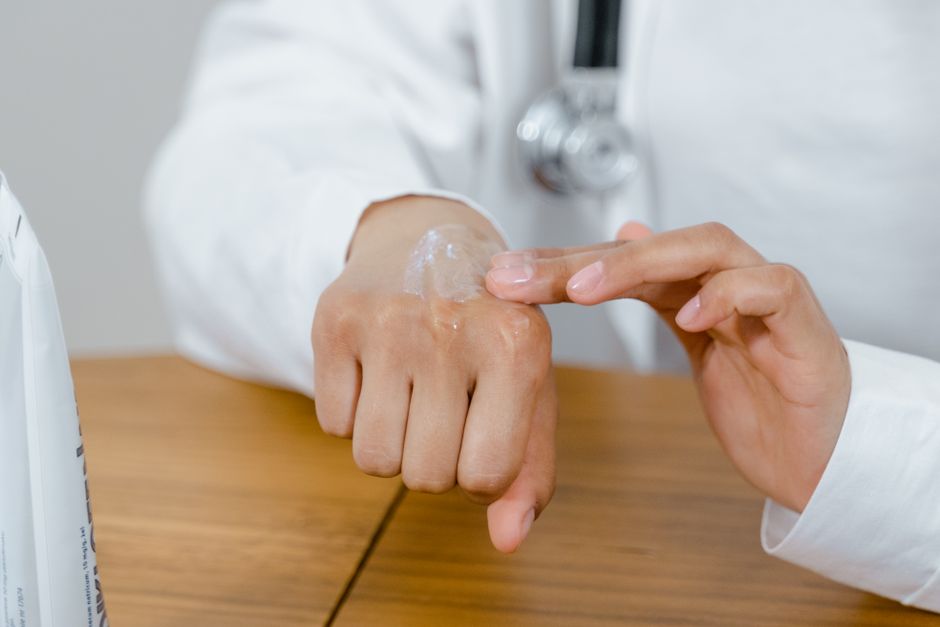
There is no cure for eczema, but there are many ways to manage symptoms and reduce flares. One of the most important steps is keeping the skin moisturized. Applying a thick, fragrance-free cream or ointment right after bathing helps lock in moisture. This should be done every day, even when the skin looks clear.
Avoiding known triggers is another key part of management. This might mean switching to unscented products, wearing soft cotton clothing, or using a humidifier during dry months. Keeping fingernails short can reduce the skin damage caused by scratching. Cool, wet compresses can also help calm itchy skin during a flare.
Healthcare providers may recommend various treatments depending on the type and severity of eczema. These can range from over-the-counter options to prescription creams or other therapies. It is important to work with a licensed provider to find a plan that is right for your specific situation. Everyone’s skin responds differently, and a personalized approach leads to the best results.
When Should You See a Provider?
You should see a provider if your eczema is not improving with basic skincare, if it is affecting your sleep, or if you think the skin might be infected. Signs of infection include increased redness, warmth, swelling, or fluid that looks yellow or cloudy. These symptoms need prompt medical attention.
You should also reach out if your eczema is causing emotional distress or affecting your daily life. Eczema is more than just a skin problem — it can impact mental health, sleep, and overall quality of life. Providers can help address all of these concerns, not just the physical symptoms.
Getting care has never been easier. With services like SendClinic, you can connect with a licensed provider by phone or video from the comfort of your home. No need to sit in a waiting room when your skin is already uncomfortable. A quick visit can help you get answers and a plan to start feeling better faster.
Living Well With Eczema
Living with eczema takes patience, but many people find that with the right routine, they can keep symptoms under control. Building good daily habits — like consistent moisturizing, gentle cleansing, and stress management — can make a big difference over time. Support groups and online communities also offer encouragement from others who truly understand what it feels like.
Remember, eczema is a medical condition, not a result of poor hygiene or something to be ashamed of. Being kind to yourself and staying consistent with your care plan are two of the most powerful things you can do. If you’re struggling to manage your symptoms, don’t wait — reach out to a provider at SendClinic or another trusted healthcare resource today.
You deserve comfortable, healthy skin. With the right support and knowledge, better days are absolutely possible.
References
- National Institute of Arthritis and Musculoskeletal and Skin Diseases. “Atopic Dermatitis.” National Institutes of Health. 2023.
- Centers for Disease Control and Prevention. “Eczema (Atopic Dermatitis).” CDC. 2022.
- Mayo Clinic Staff. “Atopic Dermatitis (Eczema).” Mayo Clinic. 2023.
- Eichenfield, Lawrence F., et al. “Guidelines of Care for the Management of Atopic Dermatitis.” Journal of the American Academy of Dermatology. 2014.
- Langan, Sinéad M., Alan D. Irvine, and Stephan Weidinger. “Atopic Dermatitis.” The Lancet. 2020.
Need care today? Skip the waiting room.
See a licensed provider by phone or video — fast, affordable, and from the comfort of home. No insurance required.
Individual results may vary. SendClinic is operated by Affection Health Care LLC.
- Share
