
What Is a Telehealth Follow-Up Appointment?
- Home
- What Is a Telehealth Follow-Up Appointment?
What Is a Telehealth Follow-Up Appointment?
You Had Your First Visit — Now What?
You connected with a provider online, got some answers, and maybe even received a prescription. But then your provider mentioned something about a follow-up appointment. If you’re not sure what that means or why it matters, you’re not alone. Many people wonder whether a follow-up visit is really necessary, especially when they’re already starting to feel better.
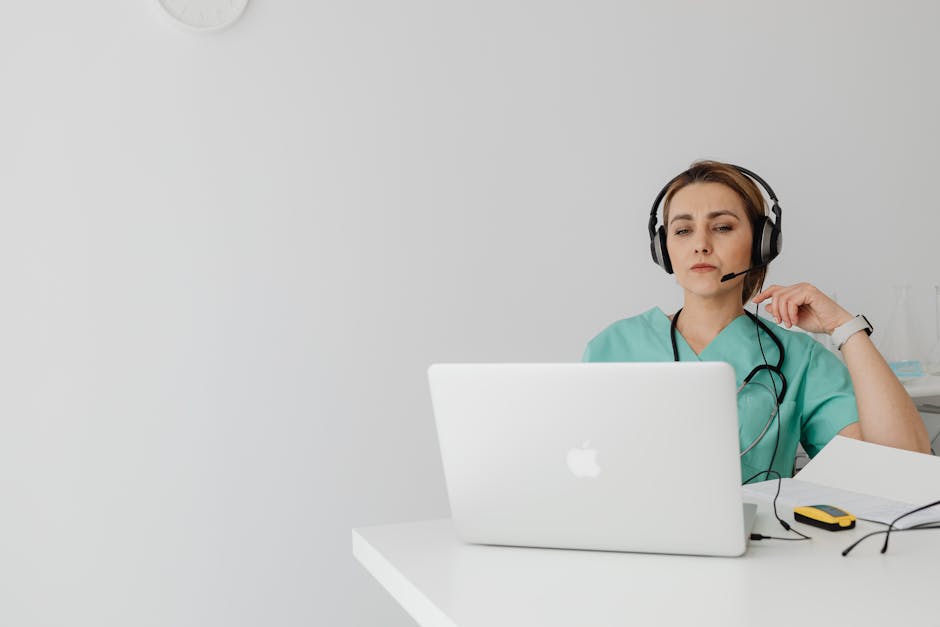
A telehealth follow-up appointment is simply a second visit with a provider — done by video or phone — to check in on how you’re doing after your first visit. It’s a chance to make sure your treatment is working, ask any new questions, and get any adjustments you might need. Think of it as a check-in call, but with a licensed medical professional who can actually help.
Understanding what happens at a follow-up visit can help you feel more confident about your care. Let’s break it down in simple terms.
What Happens During a Telehealth Follow-Up?
A telehealth follow-up visit looks a lot like your first appointment, except it’s shorter and more focused. Your provider will ask how you’ve been feeling since your last visit. They want to know if your symptoms are better, worse, or the same. They’ll also ask whether you had any side effects from a medication or treatment plan.
Depending on your condition, the provider may review any new symptoms you’ve noticed. They might ask whether you finished a course of antibiotics, whether a rash is clearing up, or whether your sinus pressure has gone down. This information helps them decide if your current treatment is on track.
At the end of the visit, your provider might continue your current treatment, make a change to your medication, order a test, or refer you to a specialist. Every decision is based on how you’re responding to care. The goal is always to help you feel better safely.
Why Follow-Up Appointments Matter
Some people skip follow-up visits because they feel fine. But feeling better doesn’t always mean fully healed. For example, stopping an antibiotic early because you feel good can lead to the infection coming back — sometimes stronger than before. A follow-up helps make sure you’ve completed treatment correctly.
Follow-up visits also catch problems early. If a medication isn’t working as expected, or if side effects are making things harder, your provider needs to know. Without that check-in, small problems can become bigger ones. Early communication between you and your provider is one of the most effective tools in good medical care.
Research published by the Agency for Healthcare Research and Quality has shown that follow-up care helps reduce hospital readmissions and improves health outcomes overall. That’s especially true for people managing ongoing conditions like high blood pressure, diabetes, or asthma. Regular check-ins keep your health on the right track.
Common Reasons a Provider Schedules a Follow-Up
Not every visit requires a follow-up, but many do. Here are some of the most common reasons your provider might want to see you again:
- You started a new medication — Your provider wants to confirm it’s working and check for side effects.
- You were treated for an infection — Infections like UTIs or sinus infections sometimes need a second look to confirm they’ve cleared.
- Your symptoms didn’t fully go away — If you’re still not feeling well, the treatment plan may need to change.
- You have a chronic condition — Ongoing health issues like allergies or skin conditions often need regular monitoring.
- Your lab results came in — A follow-up is a good time to go over test results and talk about next steps.
- Your provider wants to track your progress — Sometimes it’s simply good practice to make sure you’re healing as expected.
If your provider suggests a follow-up, it’s not something to brush off. It shows that your provider is paying attention to your individual progress and cares about the outcome of your care.
How Telehealth Makes Follow-Up Care Easier
One of the biggest reasons people skip follow-up appointments is convenience. Taking time off work, finding a ride, or sitting in a waiting room can feel like too much effort — especially when you’re already feeling better. Telehealth removes most of those barriers.
With a telehealth follow-up, you can check in with your provider from your couch, your car, or your lunch break at work. No travel. No waiting rooms. No need to take a full day off. You just log in at your scheduled time and talk with your provider directly. Most follow-up visits are shorter than your initial appointment, often lasting just 10 to 15 minutes.
Platforms like SendClinic make it easy to schedule both initial visits and follow-up appointments online, with no insurance required. You can connect with a licensed provider quickly and get the continued care you need without the usual hassle.
What You Can Do to Get the Most Out of Your Follow-Up
A little preparation goes a long way. Before your follow-up visit, take a few minutes to think about how you’ve been feeling. Write down any new symptoms, questions, or concerns. If you were given a medication, note whether you took it as directed and whether you noticed any side effects.
Be honest with your provider, even if you skipped a dose or stopped taking a medication early. Providers aren’t there to judge you — they need accurate information to help you. The more open you are, the better care you’ll receive.
After your follow-up, make sure you understand any new instructions before you hang up. If something is unclear, ask your provider to explain it again. Good follow-up care is a two-way conversation, and you deserve to leave every visit feeling informed.
Taking Your Health One Step at a Time
Follow-up appointments might feel like an extra step, but they’re an important part of getting truly better — not just temporarily better. Whether you’re recovering from a common infection, managing a chronic condition, or adjusting to a new medication, checking in with your provider helps make sure everything is moving in the right direction.
Telehealth has made it easier than ever to stay on top of your health without disrupting your daily life. If you need a follow-up visit or want to talk to a provider about how you’re feeling, SendClinic offers fast, affordable video and phone visits with licensed providers — available when you need them, from wherever you are.
Your health is worth the follow-through. One more quick visit could make all the difference.
References
- Totten, Annette M., et al. “Telehealth: Mapping the Evidence for Patient Outcomes From Systematic Reviews.” Agency for Healthcare Research and Quality. 2016.
- Centers for Disease Control and Prevention. “Antibiotic Use and Resistance.” CDC.gov. 2023.
- Dorsey, E. Ray, and Eric J. Topol. “State of Telehealth.” New England Journal of Medicine. 2016.
- Mehrotra, Ateev, et al. “Characteristics of Patients Who Seek Care Via Telemedicine.” Health Affairs. 2017.
- Mayo Clinic Staff. “Telehealth: Technology Meets Health Care.” MayoClinic.org. 2023.
Need care today? Skip the waiting room.
See a licensed provider by phone or video — fast, affordable, and from the comfort of home. No insurance required.
Individual results may vary. SendClinic is operated by Affection Health Care LLC.
- Share
