
What Is Allergic Asthma? Causes, Symptoms & Treatment
- Home
- What Is Allergic Asthma? Causes, Symptoms & Treatment
- 18 Jul, 2026
- SendClinic
- comments off
What Is Allergic Asthma? Causes, Symptoms & Treatment
When Breathing Becomes a Battle
Imagine walking outside on a breezy spring day and suddenly feeling like your chest is wrapped in a tight band. Your breath gets short. You start to wheeze. For millions of people, this is not just an occasional bad day — it is life with allergic asthma. It is one of the most common forms of asthma, and it happens when the same triggers that cause sneezing and watery eyes also make breathing much harder. The good news is that with the right knowledge and care, most people with allergic asthma can live full, active lives.
Understanding what is happening in your body is the first step toward feeling better. This article will walk you through what allergic asthma is, what causes it, how to spot the symptoms, and what treatment options are available.
What Is Allergic Asthma?
Asthma is a condition that affects the airways — the tubes that carry air in and out of your lungs. In asthma, these airways become swollen, narrow, and filled with extra mucus. This makes it hard to breathe. Allergic asthma is a specific type of asthma where an allergic reaction is what sets off this airway problem.
When you have allergic asthma, your immune system treats harmless things in the air — like pollen, pet dander, or mold — as dangerous invaders. Your body releases chemicals to fight them off, and those chemicals cause the airways to swell and tighten. This reaction is the same one that causes allergy symptoms like a runny nose or itchy eyes, but it also reaches deep into the lungs.
Allergic asthma is very common. According to the Asthma and Allergy Foundation of America, most people who have asthma also have the allergic form. It can start in childhood, but it can also develop in adults at any age.
Common Causes and Triggers
The root cause of allergic asthma is a sensitive immune system. Some people are born with a tendency toward allergic reactions, a trait that often runs in families. If a parent has asthma or allergies, their children are more likely to develop them too. But having the tendency does not mean symptoms will always appear — it often takes repeated exposure to a trigger to bring the condition out.
Common triggers for allergic asthma include:
- Pollen from trees, grasses, and weeds
- Pet dander — tiny flakes of skin from cats, dogs, or other animals
- Dust mites — microscopic bugs that live in bedding and carpets
- Mold spores found indoors and outdoors
- Cockroach droppings in some home environments
It is also important to know that non-allergic triggers can make allergic asthma worse once it is already flared up. Things like cigarette smoke, cold air, strong smells, and exercise can all add to the problem. Keeping a diary of your symptoms can help you figure out which triggers affect you the most.
Symptoms to Watch For
Allergic asthma symptoms can range from mild to severe. They often come on quickly after exposure to a trigger. Some people have symptoms only during certain seasons, while others deal with them year-round depending on what they are allergic to.
The most common symptoms include:
- Wheezing — a whistling or squeaky sound when you breathe
- Shortness of breath that may feel like you cannot get enough air
- Chest tightness or pressure
- Coughing, especially at night or early in the morning
- Runny nose, sneezing, or itchy eyes appearing alongside breathing trouble
A severe asthma episode — sometimes called an asthma attack — can be dangerous and requires prompt medical attention. If someone is struggling to breathe, their lips or fingernails look bluish, or they cannot speak in full sentences, call 911 right away. Do not wait to see if it gets better on its own.
How Is Allergic Asthma Diagnosed?
Getting a proper diagnosis is important because other conditions can cause similar symptoms. A healthcare provider will ask about your personal and family medical history, your symptoms, and what seems to make them better or worse. They may listen to your lungs and recommend tests to get a clearer picture.
One common test is spirometry, which measures how much air you can breathe out and how fast. Allergy skin tests or blood tests can also help identify which specific allergens are triggering your symptoms. These results help your provider create a plan that targets your exact triggers rather than just treating general symptoms.
If you notice breathing problems that concern you, getting checked out sooner rather than later is always the smarter move. Telehealth platforms like SendClinic make it easy to talk to a licensed provider quickly — no waiting room required — so you can get guidance and next steps without delay.
Treatment and Management Options
Allergic asthma cannot be cured, but it can be managed very well. Treatment usually focuses on two main goals: stopping symptoms before they start and quickly relieving symptoms when they do occur. Your provider may recommend a combination of approaches based on how often and how severely your symptoms affect you.
Common treatment strategies include:
- Inhaled corticosteroids — a type of controller medication taken daily to reduce airway inflammation
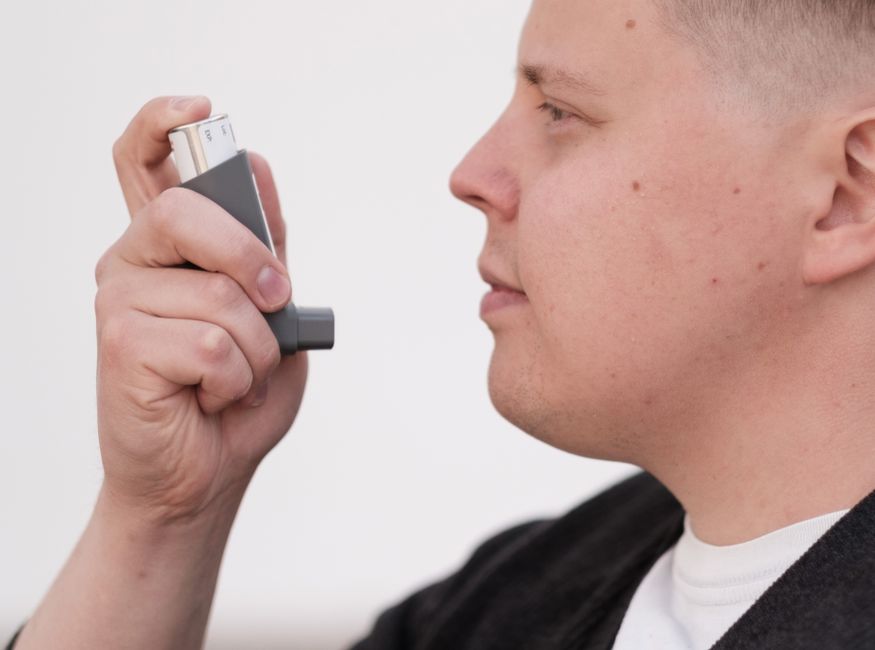
- Short-acting bronchodilators — also called rescue inhalers, used during a flare-up to open the airways fast
- Antihistamines or nasal sprays to control the allergic reaction that triggers symptoms
- Allergen immunotherapy — allergy shots or sublingual drops that slowly train your immune system to stop overreacting
- Biologics — newer injectable medicines for people with more severe or hard-to-control allergic asthma
Avoiding your known triggers is just as important as medication. Simple steps like using allergen-proof mattress covers, vacuuming with a HEPA filter, keeping windows closed during high pollen days, and bathing pets regularly can make a real difference in how often symptoms appear.
Living Well With Allergic Asthma
A diagnosis of allergic asthma does not mean giving up the things you love. With the right treatment plan and a few lifestyle adjustments, most people manage their symptoms well and stay active. The key is staying consistent with your medications, knowing your triggers, and having a clear action plan for what to do if symptoms get worse.
Regular check-ins with your healthcare provider are also important. Asthma can change over time, and your treatment may need to be adjusted. Do not hesitate to reach out whenever something feels off or when your current plan stops working as well as it used to. SendClinic offers convenient video and phone visits with licensed providers, making it simple to get the care and support you need on your schedule.
You deserve to breathe easy. With the right support, that is absolutely possible.
References
- National Heart, Lung, and Blood Institute. “Asthma.” National Institutes of Health. 2022.
- Centers for Disease Control and Prevention. “Asthma.” CDC. 2023.
- Olin, J.T. and Wechsler, M.E. “Asthma: pathogenesis and novel drugs for treatment.” BMJ. 2014.
- Licari, A., et al. “Asthma Endotyping and Biomarkers in Childhood Asthma.” Pediatric Allergy, Immunology, and Pulmonology. 2018.
- Mayo Clinic Staff. “Asthma.” Mayo Clinic. 2023.
Need care today? Skip the waiting room.
See a licensed provider by phone or video — fast, affordable, and from the comfort of home. No insurance required.
Individual results may vary. SendClinic is operated by Affection Health Care LLC.
- Share
