
Sinusitis vs Allergies: Key Differences Explained
- Home
- Sinusitis vs Allergies: Key Differences Explained
- 31 May, 2026
- SendClinic
- comments off
Sinusitis vs Allergies: Key Differences Explained
When Your Head Feels Like It’s Stuffed With Cotton
You wake up with a stuffy nose, pressure behind your eyes, and a foggy feeling in your head. Is it allergies? A sinus infection? The two conditions can feel almost identical, which makes it hard to know what to do next. Understanding the difference between sinusitis and allergies can help you get the right care faster and start feeling better sooner.
Both conditions affect the nasal passages and sinuses, and both can leave you feeling miserable. But they have different causes, different timelines, and often need different treatments. Let’s break down what sets them apart so you can recognize what might be going on with your body.
What Are Allergies?
Allergies happen when your immune system overreacts to something that is normally harmless. These triggers are called allergens. Common allergens include pollen, pet dander, dust mites, and mold. When you breathe in an allergen, your body releases chemicals like histamine, which cause your nose to run, your eyes to water, and your nasal passages to swell.
Allergic rhinitis, which is the medical term for nasal allergies, is very common. Symptoms often include sneezing, a runny or stuffy nose, itchy eyes and throat, and watery eyes. One key feature of allergies is that symptoms tend to be consistent and predictable. If you have seasonal allergies, you might notice symptoms flare up every spring when tree pollen fills the air, then settle down when the season changes.
Allergies are not caused by a virus or bacteria. That means they are not contagious, and antibiotics will not help. The underlying problem is your immune system’s response, not an infection.
What Is Sinusitis?
Sinusitis means your sinuses are inflamed or swollen. Your sinuses are hollow spaces in your skull behind your forehead, cheeks, and nose. When they become irritated or infected, they can fill with fluid and cause pressure and pain. Sinusitis can be caused by a viral infection, a bacterial infection, or even untreated allergies.
There are two main types: acute sinusitis, which comes on suddenly and usually lasts less than four weeks, and chronic sinusitis, which lasts twelve weeks or longer. Acute sinusitis often follows a cold or upper respiratory infection. The sinuses become blocked, and bacteria or viruses can multiply inside them.
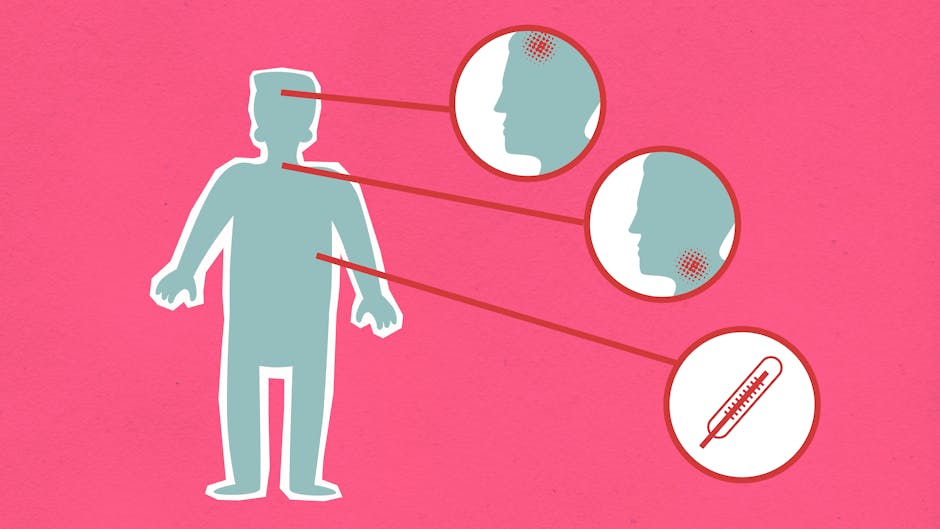
Common symptoms of sinusitis include thick yellow or green nasal discharge, facial pain or pressure, reduced sense of smell, and a feeling of fullness in the ears. Some people also develop a headache, a cough, or bad breath. Unlike allergies, sinusitis can sometimes cause a low-grade fever and general fatigue.
How to Tell the Difference
The symptoms of sinusitis and allergies overlap a lot, but a few clues can help you figure out which one you might be dealing with. The color and thickness of your nasal discharge is one helpful sign. Allergies usually cause thin, clear, watery mucus. Sinusitis often causes thick, discolored mucus that is yellow or green.
The presence of itching is another clue. Itchy eyes, nose, and throat are classic signs of allergies, not sinusitis. If your eyes are red and watery and you cannot stop sneezing, allergies are more likely the culprit. On the other hand, if you have significant facial pain and pressure, especially around your cheekbones or forehead, sinusitis is more likely.
Timing and patterns matter too. Allergy symptoms tend to come and go with exposure to triggers and can last for weeks or months during certain seasons. Sinusitis symptoms usually come on more suddenly and may worsen over several days. If your symptoms started after a cold that seemed to improve and then got worse again, that is a common pattern seen with bacterial sinusitis.
Can Allergies Lead to Sinusitis?
Yes, they can. This is one reason the two conditions are so closely linked. When allergies cause ongoing nasal inflammation and congestion, your sinuses can become blocked. Blocked sinuses create a warm, moist environment where bacteria or viruses can grow more easily. Over time, this can lead to a sinus infection on top of the allergy symptoms.
People who have untreated or poorly managed allergies are more likely to develop sinusitis. This is why treating allergies promptly and effectively matters. Keeping nasal passages as clear as possible can help reduce the risk of developing a secondary sinus infection.
If you find yourself going through repeated sinus infections, your doctor may want to evaluate whether allergies are playing a role. Addressing the underlying allergy can sometimes reduce how often sinusitis occurs.
When Should You See a Provider?
Many cases of allergies and viral sinusitis get better on their own with rest, fluids, and over-the-counter remedies. However, certain symptoms are a signal that you should talk to a healthcare provider. These include symptoms that last longer than ten days without improving, a high fever, severe headache or facial pain, or symptoms that get better and then suddenly get worse again.
If a bacterial sinus infection is suspected, a provider may recommend antibiotics. Allergies may be managed with antihistamines, nasal steroid sprays, or other medications. Getting the right diagnosis matters because using the wrong treatment will not help and may delay your recovery.
If you are not sure whether you are dealing with sinusitis, allergies, or something else entirely, SendClinic makes it easy to speak with a licensed provider from your home. A quick video or phone visit can help you get answers and a treatment plan without the hassle of waiting in a clinic.
Taking Care of Yourself
Whether you are dealing with allergies or a sinus infection, there are steps you can take to feel more comfortable. Staying hydrated helps thin mucus and keeps your nasal passages from drying out. Using a saline nasal rinse can help flush irritants and mucus from your sinuses. A humidifier can also add moisture to the air and ease congestion.
For allergy sufferers, reducing exposure to known triggers is one of the best strategies. Keep windows closed during high pollen seasons, wash bedding frequently, and consider air purifiers for your home. These small changes can make a real difference in how often and how severely your symptoms flare up.
If your symptoms keep coming back or are affecting your daily life, do not wait. Connecting with a provider through SendClinic is a convenient way to get professional guidance and find out what is really going on so you can breathe easier again.
References
- Rosenfeld, Richard M. et al. “Clinical Practice Guideline: Adult Sinusitis.” Otolaryngology–Head and Neck Surgery. 2015.
- Seidman, Michael D. et al. “Clinical Practice Guideline: Allergic Rhinitis.” Otolaryngology–Head and Neck Surgery. 2015.
- Centers for Disease Control and Prevention. “Sinus Infection (Sinusitis).” CDC.gov. 2023.
- National Institute of Allergy and Infectious Diseases. “Allergic Rhinitis.” NIAID, National Institutes of Health. 2022.
- Mayo Clinic Staff. “Chronic Sinusitis.” Mayo Clinic. 2023.
Need care today? Skip the waiting room.
See a licensed provider by phone or video — fast, affordable, and from the comfort of home. No insurance required.
Individual results may vary. SendClinic is operated by Affection Health Care LLC.
- Share
