
Manage Allergy Symptoms Without Medication | SendClinic
- Home
- Manage Allergy Symptoms Without Medication | SendClinic
- 28 Jun, 2026
- SendClinic
- comments off
Manage Allergy Symptoms Without Medication | SendClinic
When Allergies Strike, You Have Options
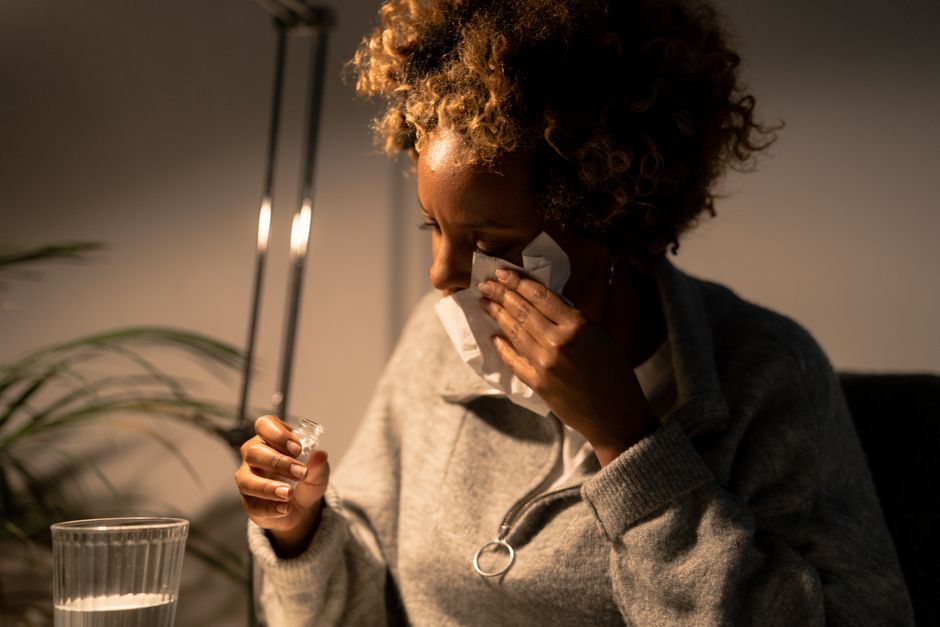
Sneezing, itchy eyes, a runny nose that just won’t quit — allergy season can make everyday life feel miserable. Millions of people deal with these symptoms every year, whether from pollen, dust, pet dander, or mold. While medication is often helpful, many people want to know what they can do on their own to feel better. The good news is that several simple, practical strategies can make a real difference in how your body responds to allergens.
This guide covers proven, non-medication approaches to managing allergy symptoms. These tips won’t replace professional medical advice, but they can work alongside any treatment plan to help you breathe easier and get back to feeling like yourself.
Understand Your Triggers
The first step in managing allergies without medication is knowing exactly what sets off your symptoms. Common allergens include tree, grass, and weed pollen; dust mites; pet dander; mold spores; and cockroach droppings. Your triggers may be seasonal, meaning they flare up at certain times of year, or they may be present year-round inside your home.
Keeping a simple symptom journal can help you spot patterns. Write down when your symptoms are worst, where you were, and what was around you. If your eyes itch every time you visit a friend with a cat, or your nose runs every morning in spring, those clues point directly to your triggers. Knowing your triggers is the foundation of every other strategy on this list.
You can also check local pollen counts online or through weather apps. Many areas publish daily pollen reports that tell you which plants are releasing pollen that day. This information helps you plan your outdoor activities more wisely.
Reduce Your Exposure at Home
Your home should be a safe haven from allergens, but without some effort, it can actually be a major source of exposure. Dust mites love warm, humid spaces and live in bedding, carpets, and upholstered furniture. Washing your sheets and pillowcases in hot water every week can significantly reduce dust mite populations. Covering your mattress and pillows with allergen-proof covers adds another layer of protection.
Vacuuming regularly with a vacuum that has a HEPA filter traps tiny particles instead of blowing them back into the air. Hard floors are easier to keep allergen-free than carpet, so if you have the option, consider swapping out rugs in heavily used rooms. Keeping humidity levels in your home between 30 and 50 percent helps discourage both dust mites and mold growth.
If you have pets, try to keep them out of the bedroom entirely. Bathing pets regularly and brushing them outside can also reduce the amount of dander circulating through your home. Air purifiers with HEPA filters placed in bedrooms or main living areas can further clean the air you breathe each day.
Smart Habits for Pollen Season
During high pollen seasons, a few smart daily habits can lower how much pollen you bring into your body and your home. Pollen counts are usually highest in the morning and on dry, windy days. Scheduling outdoor activities for later in the day or after rainfall can reduce your exposure. Wearing sunglasses when you go outside creates a simple barrier that keeps pollen away from your eyes.
When you come inside, change your clothes and wash your hands and face right away. Pollen clings to hair and skin, so showering before bed prevents you from transferring pollen to your pillow and breathing it in all night. Keep windows closed on high-pollen days and use air conditioning instead to circulate cleaner indoor air.
Drying laundry indoors during pollen season is another easy win. Clothes and sheets dried on an outdoor line can collect pollen and bring it straight into your bedroom. Small changes like these add up quickly and can noticeably reduce your day-to-day symptoms.
Nasal Rinsing for Symptom Relief
Nasal irrigation — flushing out the nasal passages with a saline solution — is a well-studied, drug-free way to ease allergy symptoms. Tools like neti pots or squeeze bottles allow you to rinse out pollen, dust, and mucus that build up inside the nose. Research suggests that regular nasal rinsing can reduce nasal congestion and improve quality of life for people with allergies.
It is important to use only distilled, sterile, or previously boiled water for nasal rinsing. Tap water can contain microorganisms that may cause infection when introduced directly into the nasal passages. Pre-mixed saline packets are available at most pharmacies and make the process simple and safe.
Many people find that rinsing once or twice a day during allergy season — especially after being outdoors — provides noticeable relief. It is a gentle, affordable practice that even children can use under adult supervision.
Lifestyle Choices That Support Your Immune System
Your overall health plays a bigger role in allergy symptoms than most people realize. Getting enough sleep, staying hydrated, and managing stress all support your immune system’s ability to function well. When you are run down, your body’s response to allergens can feel even more intense.
Some research suggests that a diet rich in fruits, vegetables, and omega-3 fatty acids may support immune health and reduce inflammation. While no single food will cure allergies, eating well gives your body the tools it needs to cope. Staying well-hydrated also helps thin mucus secretions, making congestion a little easier to manage.
Regular physical activity supports immune function and overall well-being. If outdoor exercise triggers your symptoms, try moving workouts indoors on high-pollen days. Even a short walk during low-pollen times can make a difference in how you feel.
When to Talk to a Provider
Non-medication strategies work well for many people, but they are not always enough on their own. If your symptoms are interfering with sleep, work, or daily activities, it may be time to speak with a licensed provider. A professional can help you figure out whether your symptoms are truly allergies, recommend the right treatments, and create a plan that fits your life.
Getting care has never been easier. SendClinic offers fast, affordable video and phone visits with licensed providers — no insurance required and no long wait times. Whether you need guidance on managing allergies or want to explore treatment options, a quick virtual visit can give you real answers and peace of mind.
You do not have to suffer through allergy season hoping things will improve on their own. With the right combination of smart habits and professional support, you can take control of your symptoms and enjoy your life year-round.
References
- Rabago, David, and Aleksandra Zgierska. “Saline Nasal Irrigation for Upper Respiratory Conditions.” American Family Physician. 2009.
- National Institute of Environmental Health Sciences. “Allergens and Irritants.” National Institutes of Health. 2023.
- Centers for Disease Control and Prevention. “Allergies.” CDC.gov. 2024.
- American Academy of Allergy, Asthma and Immunology. “Dust Mite Allergy.” AAAAI.org. 2023.
- Mayo Clinic Staff. “Allergies: Diagnosis and Treatment.” Mayo Clinic. 2023.
Need care today? Skip the waiting room.
See a licensed provider by phone or video — fast, affordable, and from the comfort of home. No insurance required.
Individual results may vary. SendClinic is operated by Affection Health Care LLC.
- Share
