
How to Treat a Sinus Infection at Home | SendClinic
- Home
- How to Treat a Sinus Infection at Home | SendClinic
- 25 May, 2026
- SendClinic
- comments off
How to Treat a Sinus Infection at Home | SendClinic
When Your Head Feels Like a Balloon
You wake up and your face hurts. Your nose is stuffed, your head is pounding, and even bending over to tie your shoes makes the pressure worse. If this sounds familiar, you might be dealing with a sinus infection — also called sinusitis. The good news is that many sinus infections get better on their own, and there are things you can do at home to feel better faster. This article will walk you through simple, safe ways to ease your symptoms while your body heals.
It is important to know that sinus infections can be caused by viruses or bacteria. Most of the time, viruses are the cause. That means antibiotics will not always help. Understanding what is making you sick can help you and your doctor figure out the best path forward.
What Is a Sinus Infection?
Your sinuses are small, air-filled spaces inside your cheeks, forehead, and nose. When they get swollen and inflamed — usually from a cold or allergies — mucus can get trapped inside. That trapped mucus creates pressure and pain. This is what doctors call sinusitis.
There are two main types. Acute sinusitis comes on suddenly and usually lasts less than four weeks. Chronic sinusitis lasts longer than twelve weeks and may need more focused medical care. Most people dealing with a typical sinus infection have the acute kind. Symptoms often include facial pressure, nasal congestion, thick or discolored mucus, headache, and sometimes a low-grade fever.
Stay Hydrated and Rest
One of the simplest and most powerful things you can do is drink plenty of fluids. Water, herbal teas, and clear broths help thin the mucus in your sinuses. When mucus becomes thinner, it drains more easily. This can reduce pressure and help you feel more comfortable. Try to avoid alcohol and caffeine, which can dehydrate you and make swelling worse.
Rest is just as important as fluids. Your immune system works hard when you are sick, and sleep gives your body the energy it needs to fight off infection. Try to get extra rest during the first few days of your illness. Pushing through exhaustion can slow your recovery and make symptoms linger longer than they need to.
Use Steam and Moisture
Dry air is not your friend when you have a sinus infection. Adding moisture to the air around you — and breathing it in directly — can soothe irritated nasal passages and loosen congestion. A hot shower is one of the easiest ways to do this. Let the steam fill the bathroom and breathe it in slowly for several minutes.
You can also make a steam bowl at home. Boil a pot of water, remove it from heat, and lean over it with a towel draped over your head to trap the steam. Breathe gently for five to ten minutes. Be careful not to get too close to the hot water. A cool-mist or warm-mist humidifier in your bedroom at night can also help keep your airways from drying out while you sleep.
Try Saline Rinses
Saline nasal rinses are one of the most well-studied home remedies for sinus congestion. A saline rinse is simply a saltwater solution that you gently flush through your nasal passages. It helps wash out mucus, allergens, and irritants that can make symptoms worse.
You can buy pre-made saline rinse kits at most drugstores, or use a neti pot with distilled or previously boiled water. Never use plain tap water in a neti pot, as it may contain organisms that can cause serious harm. Always follow the package directions carefully and clean your equipment after every use. Many people find that using a saline rinse two to three times a day provides noticeable relief.
Over-the-Counter Remedies That May Help
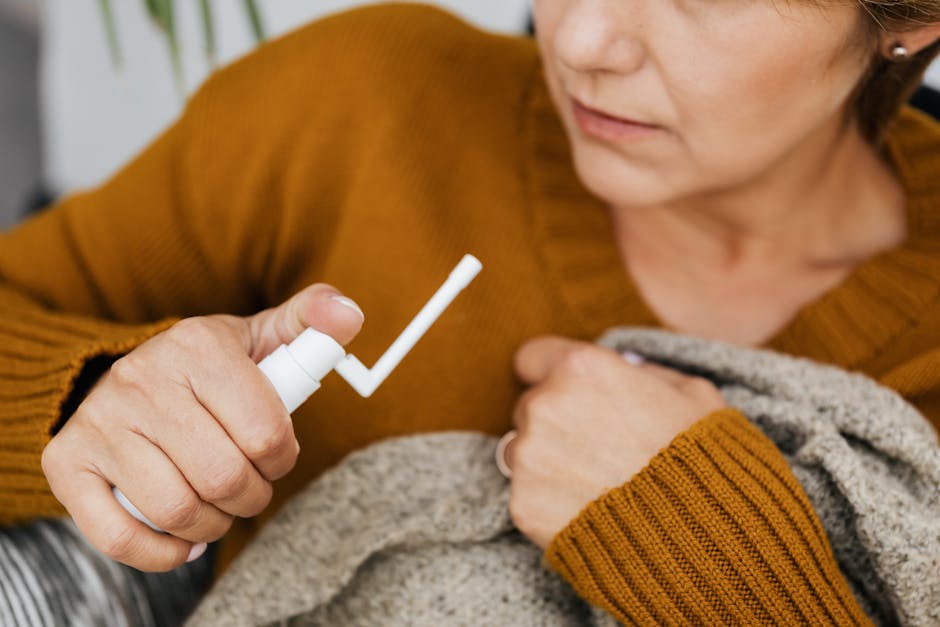
Several over-the-counter products can help ease sinus infection symptoms. Pain relievers like acetaminophen or ibuprofen can reduce headache pain and facial pressure. Decongestants, available as nasal sprays or pills, can shrink swollen nasal passages and make breathing easier. However, decongestant nasal sprays should not be used for more than three days in a row, as they can make congestion worse when overused.
Antihistamines may help if allergies are triggering your sinus problems. Saline nasal sprays are another gentle option that can be used as often as needed without the same risks. Always read labels carefully and talk to a healthcare provider if you have other health conditions or take other medications. Some products are not safe for everyone, including young children, pregnant women, and people with high blood pressure.
When to See a Provider
Most acute sinus infections improve within seven to ten days without antibiotics. However, some situations call for professional care. You should reach out to a provider if your symptoms are severe, if you have a high fever, if symptoms get worse after starting to improve, or if you have been sick for more than ten days without getting better. These can be signs of a bacterial infection that may need treatment.
You should also seek care right away if you have vision changes, severe headache, a stiff neck, or swelling around your eyes. These are rare but serious symptoms that need immediate attention. For everyday sinus infections that are not improving, a telehealth visit is a quick and easy option. SendClinic offers fast video and phone visits with licensed providers who can evaluate your symptoms and discuss the right next steps — no insurance needed and no waiting room required.
You Can Feel Better
Dealing with a sinus infection is miserable, but most people recover fully with rest, fluids, and a little extra care at home. Simple steps like staying hydrated, using steam, and trying saline rinses can make a real difference in how quickly you feel like yourself again. Be patient with your body — healing takes time.
If your symptoms are lingering or getting worse, do not wait it out alone. Providers at SendClinic are ready to help you figure out what is going on and get you feeling better faster. Taking care of yourself is always worth it.
References
- Rosenfeld, Richard M. et al. “Clinical Practice Guideline: Adult Sinusitis.” Otolaryngology–Head and Neck Surgery. 2015.
- Centers for Disease Control and Prevention. “Sinus Infection (Sinusitis).” CDC.gov. 2023.
- Mayo Clinic Staff. “Acute Sinusitis.” MayoClinic.org. 2023.
- Rabago, David and Zalmanovici Trestioreanu, Anat. “Saline Nasal Irrigation for Upper Respiratory Conditions.” American Family Physician. 2009.
- National Institute of Allergy and Infectious Diseases. “Sinusitis.” NIAID.NIH.gov. 2023.
Need care today? Skip the waiting room.
See a licensed provider by phone or video — fast, affordable, and from the comfort of home. No insurance required.
Individual results may vary. SendClinic is operated by Affection Health Care LLC.
- Share
