
COVID-19 Symptoms & Treatment Options | SendClinic
- Home
- COVID-19 Symptoms & Treatment Options | SendClinic
- 25 Sep, 2026
- SendClinic
- comments off
COVID-19 Symptoms & Treatment Options | SendClinic
When You’re Not Sure If It’s COVID — And What to Do Next
You wake up with a scratchy throat, a headache, and a tired feeling you can’t shake. Your first thought might be: Is this COVID? Even years after the pandemic began, COVID-19 is still circulating, and it can be hard to tell apart from a cold, the flu, or allergies. Knowing what symptoms to watch for — and understanding your treatment options — can help you feel more in control when sickness strikes.
This article covers the most common COVID-19 symptoms, how the illness tends to progress, and what treatment options are available today. Remember, only a licensed healthcare provider can diagnose you and recommend the right treatment for your situation.
Common Symptoms of COVID-19
COVID-19 is caused by a virus called SARS-CoV-2. It can affect people very differently. Some people have mild symptoms that feel like a bad cold. Others feel quite sick for a week or more. A smaller number of people develop serious illness that requires hospital care.
According to the Centers for Disease Control and Prevention (CDC), the most common symptoms of COVID-19 include:
- Fever or chills
- Cough
- Shortness of breath or difficulty breathing
- Fatigue
- Muscle or body aches
- Headache
- New loss of taste or smell
- Sore throat
- Congestion or runny nose
- Nausea or vomiting
- Diarrhea
Symptoms can appear anywhere from 2 to 14 days after you are exposed to the virus. With newer variants that have emerged over time, loss of taste and smell has become less common, while sore throat and runny nose have become more frequent. Every person’s experience can be a little different.
How COVID-19 Is Different From a Cold or the Flu
It can be genuinely tough to tell these illnesses apart just by how you feel. A cold usually comes on slowly and tends to cause mostly nasal symptoms like congestion and a runny nose. The flu often hits fast and hard, causing fever, chills, and significant body aches. COVID-19 can look like either one — or both at the same time.
One helpful clue is that loss of smell and taste, while less common with newer variants, is still more strongly linked to COVID-19 than to colds or the flu. Shortness of breath that comes on without much physical activity is also a more notable COVID-19 warning sign. The only way to know for certain is to get tested.
At-home rapid antigen tests are widely available at pharmacies and many grocery stores. A PCR test, usually done at a clinic or testing site, is generally more accurate. If you test negative but still feel sick, it may be worth testing again in a day or two, since early tests can sometimes miss the virus.
When to Seek Medical Care Right Away
Most people with COVID-19 recover at home with rest and fluids. However, some symptoms are serious warning signs that mean you should get emergency help immediately. The CDC lists these emergency warning signs for adults:
- Trouble breathing
- Persistent chest pain or pressure
- New confusion
- Inability to stay awake or wake up
- Pale, gray, or blue-colored skin, lips, or nail beds
If you or someone you know has any of these symptoms, call 911 or go to an emergency room right away. Do not wait to see if things improve on their own. People who are older, immunocompromised, or have underlying health conditions like heart disease, diabetes, or obesity may be at higher risk for serious illness and should check in with a provider sooner rather than later.
Treatment Options for COVID-19
There is no one-size-fits-all treatment for COVID-19. For mild to moderate cases, the focus is usually on managing symptoms while your immune system does the work. This means resting as much as possible, drinking plenty of fluids, and using over-the-counter medicines to bring down fever or ease aches and congestion.
For people who are at higher risk of becoming seriously ill, antiviral medications may be an option. One widely used antiviral is nirmatrelvir/ritonavir (sold as Paxlovid), which a provider may prescribe to eligible patients who test positive and are within the first few days of symptoms. Other antiviral treatments are also available in certain settings. These medications work best when started early, so it’s important not to wait too long before speaking with a provider if you think you might qualify.
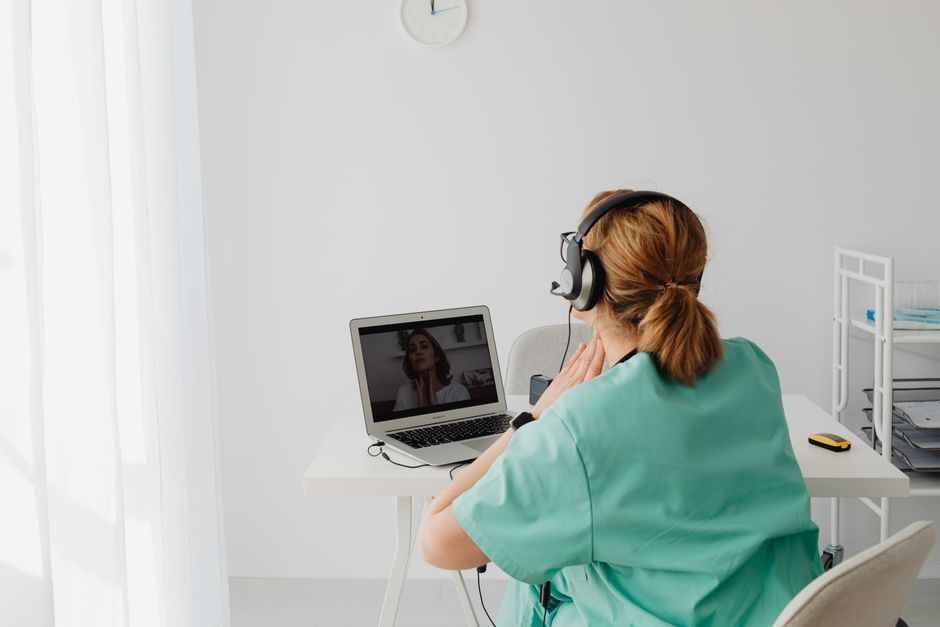
This is where telehealth can make a real difference. If you test positive for COVID-19 and want to talk to a licensed provider quickly about whether an antiviral might be right for you, a service like SendClinic lets you connect with a provider by phone or video — often the same day, and without needing insurance. A provider can review your symptoms and health history and help you understand your options.
Taking Care of Yourself at Home
If your symptoms are mild and you do not have risk factors for serious illness, there is a lot you can do at home to feel better. Rest is one of the most important things. Your body needs energy to fight the virus, so try not to push through exhaustion.
Staying hydrated is also key. Fever, sweating, and reduced appetite can all lead to dehydration, which makes you feel worse. Water, broth, herbal tea, and electrolyte drinks can all help. Over-the-counter medicines like acetaminophen or ibuprofen can help manage fever, headache, and body aches — always follow the dosing directions on the label.
It is also important to protect the people around you. Stay home and away from others while you are sick. The CDC recommends that people with COVID-19 isolate until they have been fever-free for at least 24 hours without fever-reducing medicine, and their other symptoms are improving. Wearing a mask around others after that period can add an extra layer of protection.
Prevention Still Matters
Staying up to date on your COVID-19 vaccinations remains one of the best ways to protect yourself from serious illness. Vaccines have been shown to reduce the risk of hospitalization and severe disease. The CDC updates its vaccination guidance regularly, so it is worth checking with your provider or the CDC website to see if you are due for an updated dose.
Good hand hygiene, improving indoor air quality, and staying home when you feel sick also go a long way toward reducing the spread of COVID-19 and other respiratory illnesses. Small habits can make a big difference — for you and for the people around you.
You Don’t Have to Figure This Out Alone
Dealing with COVID-19 can feel overwhelming, especially when you’re not feeling well and trying to figure out what to do next. The good news is that most people do recover, and there are more tools available today than ever before — from at-home tests to effective treatments to convenient telehealth visits.
If you test positive and want to talk through your symptoms and options with a licensed provider, SendClinic is here to help. Fast, affordable video and phone visits are available without the hassle of a waiting room — so you can get answers and start feeling better sooner. Your health is worth taking seriously, and you don’t have to go through it alone.
References
- Centers for Disease Control and Prevention. “COVID-19 Symptoms.” CDC.gov. 2024.
- National Institutes of Health. “COVID-19 Treatment Guidelines.” COVID19treatmentguidelines.nih.gov. 2024.
- Centers for Disease Control and Prevention. “Isolation and Precautions for People with COVID-19.” CDC.gov. 2024.
- Hammond, Jennifer, et al. “Oral Nirmatrelvir for High-Risk, Nonhospitalized Adults with Covid-19.” New England Journal of Medicine. 2022.
- Centers for Disease Control and Prevention. “Stay Up to Date with COVID-19 Vaccines.” CDC.gov. 2024.
Need care today? Skip the waiting room.
See a licensed provider by phone or video — fast, affordable, and from the comfort of home. No insurance required.
Individual results may vary. SendClinic is operated by Affection Health Care LLC.
- Share
