
Sick Day Management for Common Illnesses | SendClinic
- Home
- Sick Day Management for Common Illnesses | SendClinic
- 17 Oct, 2026
- SendClinic
- comments off
Sick Day Management for Common Illnesses | SendClinic
When You Feel Awful: Making the Most of a Sick Day
You wake up with a scratchy throat, a pounding head, and zero energy. Sound familiar? Whether it’s a cold, the flu, a stomach bug, or a sinus infection, sick days happen to everyone. The good news is that how you take care of yourself during those rough days really matters. The right steps can help you feel better faster and keep others around you from getting sick too.
This guide walks you through simple, proven ways to manage common illnesses at home. You’ll also learn when it’s time to stop toughing it out and talk to a healthcare provider instead.
Rest Is Your Best Medicine
When your body is fighting an infection, it works incredibly hard. Rest gives your immune system the energy it needs to do its job. Skipping rest and pushing through your normal routine can actually make your illness last longer. Most healthcare experts agree that sleep is one of the most important things you can do when you’re sick.
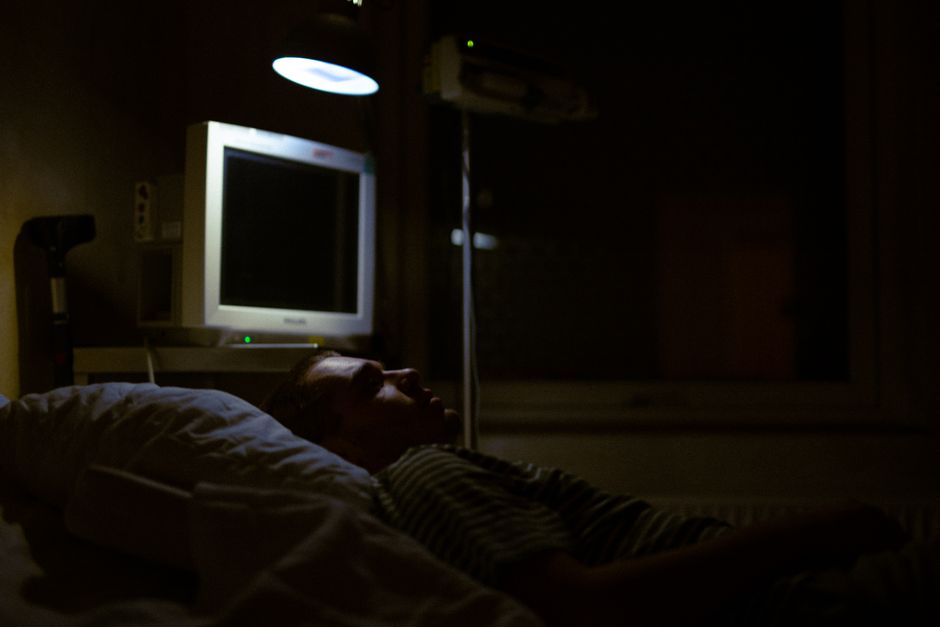
Try to stay home from work or school when you feel ill, especially if you have a fever. This protects the people around you from catching what you have. Set up a comfortable spot with pillows, blankets, and everything you need nearby so you’re not constantly getting up. Give yourself real permission to rest — it’s not lazy, it’s healing.
Even if you can’t sleep, lying down and keeping activity low helps your body conserve energy. Light activities like watching a favorite show or reading are fine, but avoid strenuous exercise until you feel well again.
Stay Hydrated — More Than You Think You Need To
Fluids are essential when you’re sick. Fever, sweating, a runny nose, vomiting, and diarrhea all cause your body to lose water faster than normal. Dehydration can make you feel much worse and slow down recovery. The goal is to sip fluids throughout the day, not just when you feel thirsty.
Water is always a great choice. Warm liquids like broth, herbal tea, and warm water with honey and lemon can be especially soothing if you have a sore throat or congestion. Sports drinks can help replace electrolytes if you’ve been vomiting or have diarrhea, though they’re not always necessary. Avoid alcohol and limit caffeine, as both can contribute to dehydration.
A good rule of thumb is to aim for pale yellow urine. Dark yellow or amber-colored urine is a sign that you need to drink more. Keep a water bottle or cup close by so sipping becomes easy and automatic throughout the day.
Managing Symptoms at Home
Over-the-counter (OTC) products can help ease many common symptoms. For a fever or body aches, medications like acetaminophen or ibuprofen may provide relief. Always read the label carefully and follow dosing instructions. If you’re giving medication to a child, make sure to use the correct dose for their weight and age.
For a stuffy nose, saline nasal sprays or rinses can help clear congestion without medication. A cool-mist humidifier adds moisture to the air, which can also soothe irritated nasal passages and throats. Honey has been shown to help soothe a cough in adults and children over age one. Cough drops and throat lozenges can reduce discomfort as well.
Rest and fluids do a lot of the heavy lifting, but these simple tools can make the hours feel more bearable. Avoid taking multiple OTC products at once without checking the ingredients, since many cold medicines contain the same active ingredients and doubling up can be harmful.
What to Eat When You’re Sick
You may not feel hungry when you’re ill, and that’s completely normal. Forcing yourself to eat a big meal is not necessary, but trying to eat something small can help keep your energy up and support recovery. Listen to your body and eat when you feel you can.
Easy-to-digest foods are your best bet. Think toast, crackers, bananas, plain rice, and applesauce — often called the BRAT diet — if you’re dealing with an upset stomach. Warm soups and broths are excellent choices for colds and flu because they provide fluid, sodium, and some nutrition all at once. Chicken soup in particular has long been a go-to comfort food, and some research suggests it may have mild anti-inflammatory effects.
Avoid greasy, spicy, or very rich foods while you’re feeling bad, especially if you have a stomach illness. These can irritate your digestive system and make nausea worse. Once you start feeling better, gradually return to your normal diet.
When to See a Provider
Most common illnesses get better on their own within a few days to a week. But some symptoms are a sign that you need medical attention. Seek care right away if you or someone you’re caring for experiences difficulty breathing, chest pain, confusion, severe vomiting that won’t stop, or a very high fever.
You should also reach out to a provider if your symptoms are not improving after several days, if you feel like you’re getting better and then suddenly get worse, or if you have symptoms that point to something more than a common cold — like pain when urinating, a severe sore throat, or significant ear pain. Some illnesses, like strep throat, sinus infections, and UTIs, need prescription treatment to fully clear up.
Getting care doesn’t have to mean a long wait at an urgent care center. SendClinic makes it easy to connect with a licensed provider by video or phone visit from the comfort of your home — often the same day. No insurance is needed, and appointments are affordable and convenient, even on a sick day when leaving the house feels impossible.
Taking Care of Others — and Yourself — After You Recover
Once you start feeling better, take it slowly before jumping back into your full routine. Return to normal activities gradually and make sure you’re fever-free for at least 24 hours without the help of fever-reducing medication before going back to work or school.
Wash your hands frequently during and after your illness to stop the spread of germs. Disinfect commonly touched surfaces in your home like doorknobs, light switches, and phones. Wash or change your bedding once you’re on the mend.
Staying up to date on vaccines — like the annual flu shot — is one of the best ways to prevent certain illnesses from hitting hard in the first place. Taking care of yourself year-round with good sleep, a balanced diet, regular movement, and stress management all help keep your immune system strong and ready to defend you when germs come around.
You’ve Got This
Sick days are never fun, but they don’t last forever. With the right self-care steps — plenty of rest, consistent hydration, smart symptom management, and knowing when to reach out for help — you can get through illness and back to feeling like yourself. Be kind to yourself, take it one hour at a time, and don’t hesitate to connect with a provider like those at SendClinic if you need guidance. You’re going to feel better soon.
References
- Centers for Disease Control and Prevention. “Flu: What To Do If You Get Sick.” CDC.gov. 2023.
- Mayo Clinic Staff. “Cold remedies: What works, what doesn’t, what can’t hurt.” MayoClinic.org. 2023.
- Rennard, Barbara O., et al. “Chicken Soup Inhibits Neutrophil Chemotaxis In Vitro.” Chest. 2000.
- Goldman, Ran D. “Honey for treatment of cough in children.” Canadian Family Physician. 2014.
- National Institutes of Health, National Institute of Allergy and Infectious Diseases. “Common Cold.” NIAID.NIH.gov. 2023.
Need care today? Skip the waiting room.
See a licensed provider by phone or video — fast, affordable, and from the comfort of home. No insurance required.
Individual results may vary. SendClinic is operated by Affection Health Care LLC.
- Share
