
Do You Need Antibiotics? How to Know | SendClinic
- Home
- Do You Need Antibiotics? How to Know | SendClinic
- 06 Oct, 2026
- SendClinic
- comments off
Do You Need Antibiotics? How to Know | SendClinic
That Scratchy Throat Has You Wondering…
You wake up feeling awful. Your throat hurts, your nose is running, and you can barely get out of bed. Your first thought might be, “I need antibiotics.” It is a very common reaction. Many people reach for antibiotics the moment they feel sick. But here is the truth — antibiotics do not work for every illness. In fact, taking them when you do not need them can actually cause harm. Understanding when antibiotics help and when they do not can speed up your recovery and keep you healthier in the long run.
This guide will help you understand what antibiotics do, what kinds of infections they treat, and when it makes sense to talk to a provider about getting them.
What Are Antibiotics, Exactly?
Antibiotics are medicines that kill or stop the growth of bacteria. They come in many forms — pills, liquids, creams, and eye drops. Doctors have used them for decades to treat serious infections that used to be deadly. Things like pneumonia, strep throat, and urinary tract infections (UTIs) can often be cleared up quickly with the right antibiotic.
The key word here is bacteria. Antibiotics only work against bacterial infections. They do absolutely nothing against viruses. This is one of the most important things to understand about how antibiotics work. If your illness is caused by a virus, an antibiotic will not help you feel better — not even a little bit.
Bacteria vs. Viruses: What Is the Difference?
Bacteria and viruses are both tiny germs that can make you sick, but they are very different from each other. Bacteria are living single-celled organisms. Some bacteria are helpful to your body, like the ones in your gut. Others can cause infections. Bacterial infections include strep throat, UTIs, sinus infections caused by bacteria, and some ear infections.
Viruses are even smaller than bacteria and work very differently. They get inside your body’s cells and use them to make copies of themselves. Your immune system has to fight them off on its own, or with help from antiviral medicines. Common colds, the flu, most sore throats, COVID-19, and stomach bugs are almost always caused by viruses. No amount of antibiotics will make a viral illness go away faster.
- Bacterial infections that may need antibiotics: Strep throat, UTIs, bacterial sinus infections, some ear infections, bacterial pneumonia
- Viral infections that do NOT need antibiotics: Common cold, flu, most sore throats, COVID-19, most cases of bronchitis, stomach viruses
Why Taking Unnecessary Antibiotics Is a Problem
It might seem harmless to take an antibiotic “just in case.” But unnecessary antibiotic use is actually a serious public health concern. When you take antibiotics too often or when you do not need them, bacteria can learn to survive the medicine. This is called antibiotic resistance. It means the next time you have a real bacterial infection, the antibiotic might not work as well — or at all.
Antibiotic resistance is a growing global problem. The Centers for Disease Control and Prevention (CDC) reports that antibiotic-resistant bacteria cause millions of infections each year in the United States. Beyond resistance, antibiotics can also cause side effects like diarrhea, stomach upset, yeast infections, and allergic reactions. There is no good reason to take on those risks if you do not have a bacterial infection.
Signs That You Might Actually Need an Antibiotic
So how can you tell if your illness might be bacterial? There is no way to know for sure without a medical evaluation, but some signs can point in that direction. For example, strep throat often comes with a sudden, severe sore throat, fever, and white patches on the tonsils — but no cough. A sinus infection might be bacterial if your symptoms have lasted more than 10 days and include thick, colored mucus and face pain or pressure.
UTIs are another common reason people need antibiotics. Symptoms often include a burning feeling when you urinate, feeling like you need to go very often, and cloudy or strong-smelling urine. Ear infections, especially in adults, can also sometimes require antibiotic treatment. If your symptoms are severe, getting worse, or have lasted longer than expected, that is a good time to talk to a medical provider.
- Sore throat with fever but no cough — could be strep
- Sinus pressure and congestion lasting more than 10 days
- Burning or painful urination — possible UTI
- Ear pain with drainage or fever
- Symptoms that were improving and then suddenly got worse
When to See a Provider
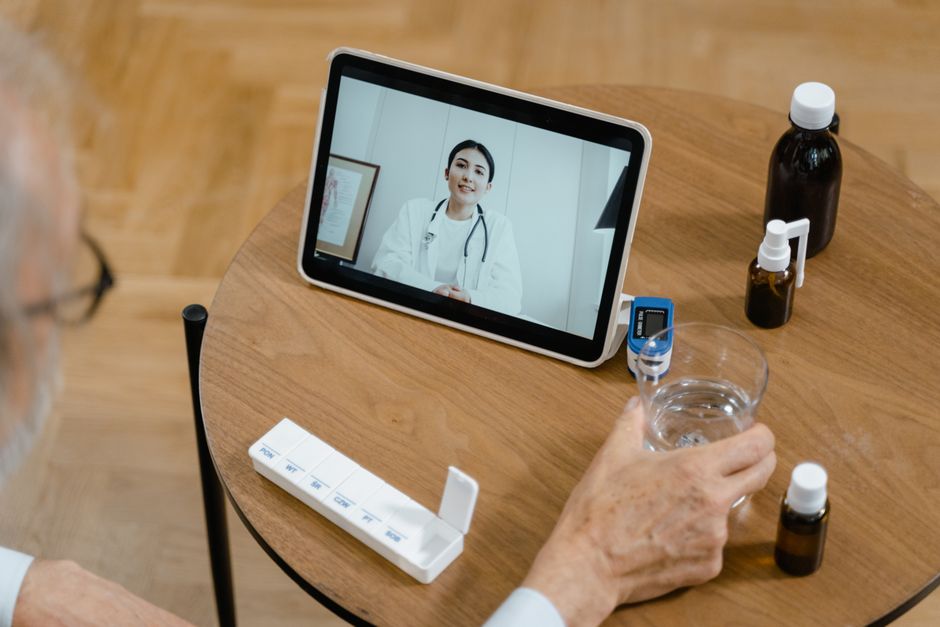
You do not have to wait in a long urgent care line or schedule a week-out appointment to find out if you need an antibiotic. Telehealth makes it easy to talk to a licensed provider quickly and from wherever you are. A provider can review your symptoms, ask the right questions, and help you figure out the best next step — whether that means an antibiotic, a different treatment, or simple home care to help you feel better faster.
SendClinic offers fast, affordable video and phone visits with licensed providers who can evaluate common conditions like UTIs, sinus infections, strep throat, and more. No insurance is needed, and you can often be seen the same day. Getting a professional opinion is always smarter than guessing — and it protects you from the risks of taking medicine you may not need.
What You Can Do While You Wait and Recover
Whether your illness is bacterial or viral, good self-care matters a lot. Rest as much as you can. Drink plenty of fluids to stay hydrated. Over-the-counter medicines like pain relievers and decongestants can help ease symptoms even if they do not cure the underlying infection. A warm compress can soothe ear or sinus pain. Honey and warm tea can help a sore throat feel better.
If a provider determines you do need an antibiotic, it is very important to take the full course, even if you start feeling better before it is finished. Stopping early can allow some bacteria to survive and come back stronger. Follow your provider’s instructions carefully, and do not share antibiotics or save them for later use.
You Deserve the Right Care, Not Just Any Care
Feeling sick is stressful, and wanting fast relief makes complete sense. But getting the right treatment — not just any treatment — is what actually helps you heal. Now that you know the difference between bacterial and viral infections, you are better equipped to make smart decisions about your health. When in doubt, talk to a provider. It is the safest and most effective step you can take.
References
- Centers for Disease Control and Prevention. “Antibiotic Resistance Threats in the United States.” CDC. 2019.
- Centers for Disease Control and Prevention. “Be Antibiotics Aware: Smart Use, Best Care.” CDC. 2021.
- Shulman, Stanford T., et al. “Clinical Practice Guideline for the Diagnosis and Management of Group A Streptococcal Pharyngitis.” Infectious Diseases Society of America. 2012.
- Chow, Ann W., et al. “IDSA Clinical Practice Guideline for Acute Bacterial Rhinosinusitis in Children and Adults.” Infectious Diseases Society of America. 2012.
- Gupta, Kalpana, et al. “International Clinical Practice Guidelines for the Treatment of Acute Uncomplicated Cystitis and Pyelonephritis in Women.” Infectious Diseases Society of America. 2011.
Need care today? Skip the waiting room.
See a licensed provider by phone or video — fast, affordable, and from the comfort of home. No insurance required.
Individual results may vary. SendClinic is operated by Affection Health Care LLC.
- Share
