
What Is a Pill Organizer & How to Use It
- Home
- What Is a Pill Organizer & How to Use It
- 09 Sep, 2026
- SendClinic
- comments off
What Is a Pill Organizer & How to Use It
Why Keeping Track of Your Medications Matters
If you take more than one medication each day, you know how easy it is to forget whether you already took your pill. Did you take your blood pressure medicine this morning, or did you just think about taking it? This is a very common problem. Missing doses or accidentally taking double doses can affect how well your medications work and may cause unwanted side effects.
A pill organizer is one of the simplest tools you can use to stay on track with your medications. It costs very little, requires no special skills, and can make a big difference in your health. Whether you take one pill a day or several throughout the day, a pill organizer can bring some much-needed order to your routine.
What Is a Pill Organizer?
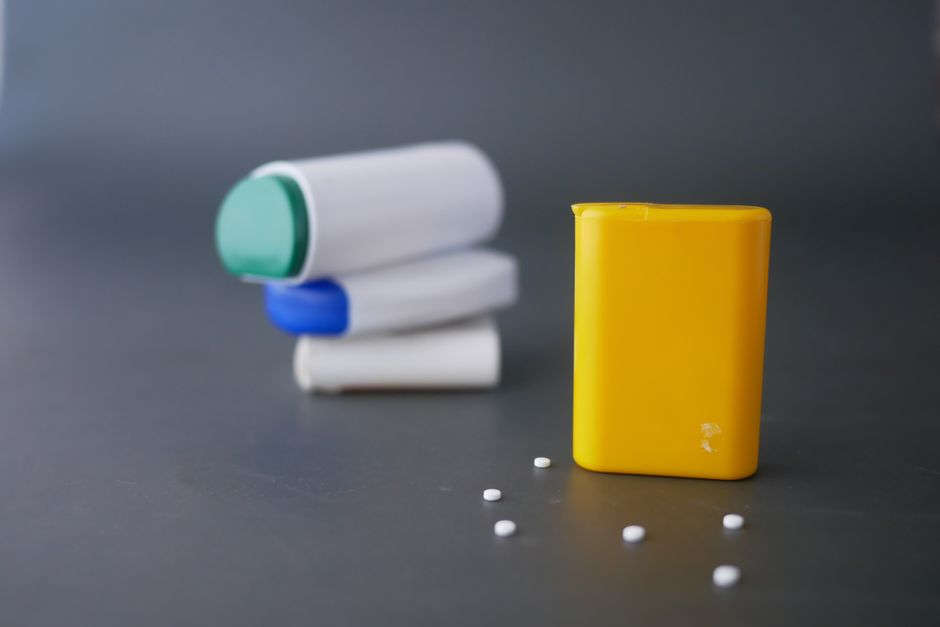
A pill organizer is a small container with separate compartments for holding your medications. Each compartment is meant to hold the pills you need for a specific time, day, or week. Most organizers are made of plastic and come in a variety of sizes and colors. They are widely available at pharmacies, grocery stores, and online retailers.
Basic pill organizers have seven compartments — one for each day of the week. More advanced versions have multiple compartments per day, so you can separate morning, afternoon, evening, and bedtime doses. There are also larger organizers designed to hold a two- or four-week supply of medications at once. Some people even use digital or electronic pill dispensers that beep or light up to remind them when it’s time to take their medication.
Pill organizers go by several names. You might hear them called pill boxes, medicine organizers, or weekly pill planners. No matter what they are called, they all serve the same basic purpose: helping you take the right medication at the right time.
Who Can Benefit from Using One?
Almost anyone who takes medications on a regular basis can benefit from a pill organizer. They are especially helpful for older adults who may take several different medications each day. Managing multiple prescriptions at different times can feel overwhelming, and a pill organizer simplifies the process greatly.
People who travel frequently can also find pill organizers very useful. Instead of carrying multiple large pill bottles, you can pre-fill a compact organizer and toss it in your bag. This is much more convenient and keeps your medications neatly in one place.
Caregivers who help manage medications for a family member or loved one often rely on pill organizers too. Filling the organizer once a week means less daily guesswork and a clear visual check to see whether a dose has been taken. If the compartment is empty, the pills were taken. If it’s still full, they weren’t.
How to Set Up and Use a Pill Organizer
Setting up a pill organizer is straightforward. Start by gathering all of your medications and a clear space to work. Read each medication label carefully to confirm the correct dose and timing. It helps to fill your organizer at the same time each week — many people do it on Sunday evening to prepare for the week ahead.
Open each compartment one at a time and place the correct pills inside. Go from the first day of the week to the last, following the same order every time. If you take medications at different times of day, use an organizer with multiple compartments per day, labeled with times like “AM” and “PM.” Double-check your work when you are done to make sure each slot is filled correctly.
Store your pill organizer in a consistent, easy-to-remember location — like next to your coffee maker or toothbrush. Linking your medication routine to something you already do every day, like making morning coffee or brushing your teeth, makes it much harder to forget. This habit-stacking technique is a simple but powerful way to improve medication consistency.
Important Safety Tips to Keep in Mind
While pill organizers are helpful, there are a few safety points to know. Always keep your medications in their original bottles until it is time to fill your organizer. The original bottle has important information like the drug name, dose, expiration date, and prescribing instructions. Once you place pills into the organizer, that information is no longer with the pills.
Keep your pill organizer out of reach of children and pets. Even though the organizer itself does not look dangerous, the medications inside can be harmful if taken by someone they were not prescribed to. Store your organizer in a high cabinet or a locked container if young children are in your home.
Check your medications for expiration dates when you refill your organizer. Expired medications may not work as well, and some can even be harmful. If you notice that you consistently have leftover pills at the end of the week, talk to your healthcare provider about your dosing schedule. If you’re due for a prescription refill or have questions about your medications, a telehealth service like SendClinic makes it easy to connect with a licensed provider from home.
When Your Medication Routine Changes
Your medications may change over time as your health needs change. When a provider adds a new medication, adjusts your dose, or stops a prescription, you will need to update how you fill your organizer. Never make changes to your medication routine on your own without guidance from a licensed healthcare provider.
If you are ever unsure whether you have been taking your medications correctly, or if you want to review your current prescriptions, speaking with a provider is the right move. SendClinic offers convenient video and phone visits with licensed providers who can help with prescription refills and medication questions — no insurance needed and no long wait times.
Small Tool, Big Impact on Your Health
A pill organizer may seem like a small, simple thing — but it can have a real impact on how well your medications work for you. Taking the right dose at the right time, every day, is one of the most important things you can do for your long-term health. A pill organizer helps you do exactly that with very little effort.
Start with a basic weekly organizer if you are new to using one. As your routine becomes comfortable, you can upgrade to a more detailed organizer if needed. The best organizer is the one that fits your life and helps you stay consistent. With the right tools and a little planning, managing your medications does not have to be stressful.
References
- Conn, Vicki S., et al. “Interventions to Improve Medication Adherence Among Older Adults.” Annals of Pharmacotherapy. 2015.
- National Institute on Aging. “Safe Use of Medicines for Older Adults.” National Institutes of Health. 2021.
- Centers for Disease Control and Prevention. “Managing Medications.” CDC.gov. 2022.
- Osterberg, Lars, and Terrence Blaschke. “Adherence to Medication.” New England Journal of Medicine. 2005.
- Mayo Clinic Staff. “Medication Errors: Cut Your Risk with These Tips.” Mayo Clinic. 2023.
Need care today? Skip the waiting room.
See a licensed provider by phone or video — fast, affordable, and from the comfort of home. No insurance required.
Individual results may vary. SendClinic is operated by Affection Health Care LLC.
- Share
