
Shingles Treatment via Telehealth | SendClinic
- Home
- Shingles Treatment via Telehealth | SendClinic
- 06 Aug, 2026
- SendClinic
- comments off
Shingles Treatment via Telehealth | SendClinic
When That Painful Rash Appears, Help Is Closer Than You Think
You wake up one morning and notice a strange, burning rash on one side of your body. Maybe it started with tingling or sensitivity a day or two before. If this sounds familiar, you might be dealing with shingles. Shingles can be painful and uncomfortable, but the good news is that getting evaluated and treated quickly can make a real difference in how you feel. And thanks to telehealth, you may not even have to leave your home to get the care you need.
Understanding what shingles is, how it works, and what your options are can help you take action fast. Time matters with shingles, so knowing what to look for and where to turn is important.
What Is Shingles?
Shingles is caused by the varicella-zoster virus — the same virus that causes chickenpox. If you had chickenpox as a child, that virus never fully left your body. It stays dormant, or “sleeping,” in your nerve tissue. Years or even decades later, the virus can reactivate and cause shingles.
Shingles typically appears as a band or strip of blisters on one side of the body, often on the torso, face, or neck. The rash usually follows the path of a single nerve. Before the rash even shows up, many people experience pain, burning, itching, or tingling in that area. Other symptoms can include fever, headache, and sensitivity to light.
Shingles is not something you catch from another person the way you catch a cold. However, someone with an active shingles rash can spread the varicella-zoster virus to people who have never had chickenpox or the chickenpox vaccine. This is why covering the rash and practicing good hygiene is important while you are contagious.
Who Is Most at Risk?
About 1 in 3 people in the United States will develop shingles during their lifetime, according to the Centers for Disease Control and Prevention (CDC). While anyone who has had chickenpox can get shingles, certain groups are more likely to experience it. Adults over 50 are at higher risk, and the risk continues to increase with age.
Your immune system plays a big role in keeping the dormant virus in check. When your immune system is weakened — due to stress, illness, certain medications, or other health conditions — the virus is more likely to reactivate. This is why shingles can sometimes follow a period of high stress or a major illness.
People with conditions that affect the immune system, such as HIV or cancer, may also be at greater risk. If you fall into any of these higher-risk groups, being aware of early shingles symptoms is especially important so you can seek care as quickly as possible.
Why Timing Matters So Much
One of the most important things to know about shingles is that antiviral medications work best when started early. Providers typically aim to begin antiviral treatment within 72 hours of the rash appearing. Starting treatment early may help shorten how long the rash lasts and reduce the severity of pain.
A serious complication of shingles is called postherpetic neuralgia (PHN). This is nerve pain that can last for months or even years after the rash has healed. Starting antiviral treatment promptly may lower the risk of developing this long-term pain, though outcomes vary from person to person.
This is exactly why getting evaluated as soon as you notice symptoms is so important. Waiting to see if the rash goes away on its own, or waiting days for an in-person appointment to open up, can mean missing that critical treatment window. Having fast access to a licensed provider can genuinely change your experience with shingles.
How Telehealth Can Help With Shingles
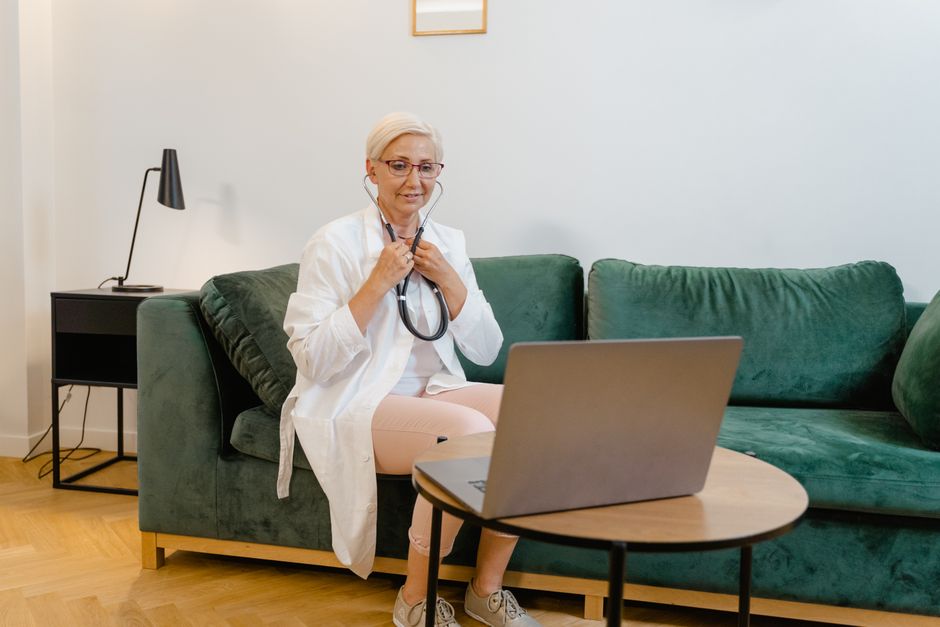
Many people are surprised to learn that shingles can often be evaluated through a telehealth video visit. Because shingles typically has a distinct appearance — that one-sided banded rash — a licensed provider can often assess the rash visually during a video call. You can describe your symptoms, show the affected area on camera, and discuss your medical history, all from the comfort of your home.
This is where a service like SendClinic can be a real help. SendClinic connects you with licensed providers through fast, affordable video and phone visits. When every hour counts with shingles, being able to connect with a provider the same day — without needing insurance or a long wait — makes a meaningful difference.
During your telehealth visit, the provider will listen to your symptoms, ask questions about when they started, and review the appearance of your rash. If they determine that treatment is appropriate, they can send a prescription to your pharmacy. It is a simple, straightforward process that gets you the evaluation you need quickly.
Managing Symptoms at Home
While antiviral medications are the main medical treatment for shingles, there are also things you can do at home to help manage discomfort. Keeping the rash clean and covered can help prevent spreading the virus to others. Cool, wet compresses applied gently to the area may help ease pain and itching for some people.
Over-the-counter pain relievers may also help with discomfort, though you should always check with your provider about what is appropriate for your situation. Loose-fitting, soft clothing can help reduce irritation on sensitive skin. Staying well-rested and managing stress may also support your body as it heals.
Avoid scratching the blisters, as this can increase the risk of bacterial infection and scarring. If you notice signs of infection — such as increased redness, warmth, swelling, or pus — contact a provider right away. These signs may mean a secondary infection has developed and requires additional treatment.
Prevention: The Shingles Vaccine
The good news is that shingles is largely preventable. The CDC recommends the Shingrix vaccine for adults 50 and older, given in two doses. Shingrix is highly effective at reducing the risk of shingles and its complications. Even if you have had shingles before, the vaccine is still recommended to help prevent a future episode.
Talk to a provider about whether the shingles vaccine is right for you. Getting vaccinated is one of the best steps you can take to protect yourself from this painful condition.
Take Action Quickly — Help Is Available
Shingles can be painful and disruptive, but prompt care can make a real difference. If you notice a burning, tingling rash on one side of your body, do not wait. Reach out to a licensed provider as soon as possible to get evaluated. SendClinic makes it easy to connect with a provider quickly, without the hassle of scheduling weeks in advance or sitting in a waiting room. You deserve fast, caring support when you need it most.
References
- Centers for Disease Control and Prevention. “Shingles (Herpes Zoster).” CDC.gov. 2023.
- Dooling, Kathleen L., et al. “Recommendations of the Advisory Committee on Immunization Practices for Use of Herpes Zoster Vaccines.” MMWR Morbidity and Mortality Weekly Report. 2018.
- Johnson, Robert W., and Anne Louise Oaklander. “Postherpetic Neuralgia.” New England Journal of Medicine. 2014.
- Mayo Clinic Staff. “Shingles — Symptoms and Causes.” MayoClinic.org. 2023.
- Gnann, John W., and Richard J. Whitley. “Herpes Zoster.” New England Journal of Medicine. 2002.
Need care today? Skip the waiting room.
See a licensed provider by phone or video — fast, affordable, and from the comfort of home. No insurance required.
Individual results may vary. SendClinic is operated by Affection Health Care LLC.
- Share
