
Prescription Acne Medication: What You Need to Know
- Home
- Prescription Acne Medication: What You Need to Know
- 30 Jul, 2026
- SendClinic
- comments off
Prescription Acne Medication: What You Need to Know
When Over-the-Counter Products Stop Working
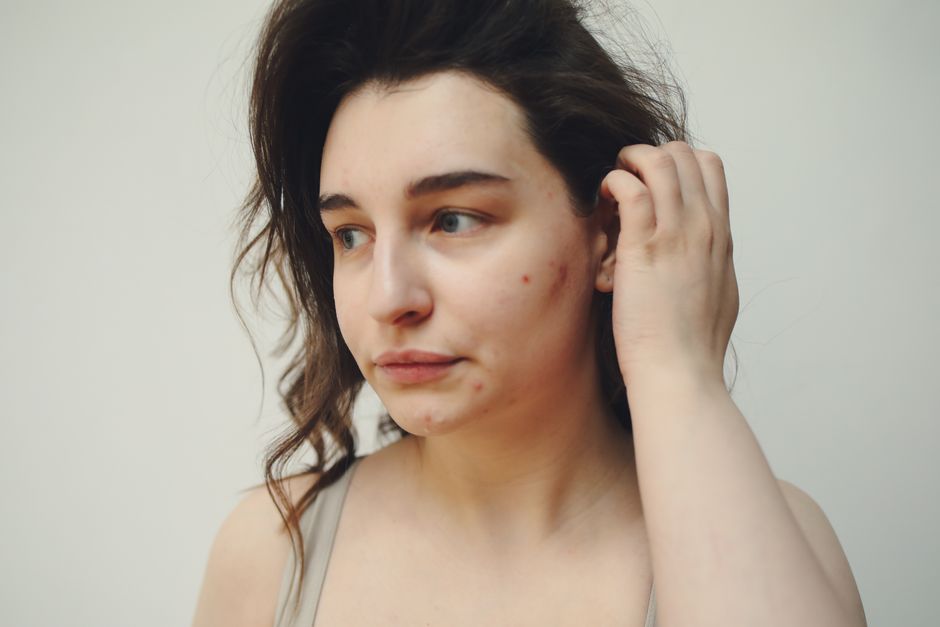
You have tried every face wash, spot treatment, and toner on the drugstore shelf. You have followed routines from YouTube and skincare blogs. But your acne keeps coming back — or it never really went away. If this sounds familiar, you are not alone. Millions of people reach a point where over-the-counter products simply are not enough. That is often when prescription acne medication becomes worth exploring.
Prescription acne treatments are stronger than what you can buy without a prescription. They work on acne in different ways, including killing bacteria, reducing oil production, and calming inflammation deep in the skin. Understanding your options can help you have a better conversation with a healthcare provider and set realistic expectations for your skin.
Why Acne Can Be So Hard to Treat
Acne happens when hair follicles get clogged with oil and dead skin cells. Bacteria that live on the skin can then grow inside those clogged pores, causing redness, swelling, and pus. Hormones, genetics, stress, and certain medications can all make acne worse. Because so many things play a role, there is no single treatment that works for everyone.
Mild acne often responds well to over-the-counter products with ingredients like benzoyl peroxide or salicylic acid. But moderate to severe acne — including deep cysts, painful nodules, or acne that leaves scars — usually needs prescription-strength treatment. Even some mild acne that simply does not improve with drugstore products may benefit from a prescription approach.
It is also worth knowing that acne treatment takes time. Most prescription medications take several weeks before you see noticeable improvement. Sticking with a treatment plan, even when progress feels slow, is a key part of getting results.
Common Types of Prescription Acne Medications
There are several categories of prescription acne treatments. A licensed provider will recommend one based on the type and severity of your acne, your skin type, and your overall health history.
- Topical retinoids: These are vitamin A-based creams or gels applied directly to the skin. They help unclog pores and prevent new breakouts from forming. Common examples include tretinoin and adapalene at prescription strength.
- Topical antibiotics: Medications like clindamycin or erythromycin are applied to the skin to reduce acne-causing bacteria and calm inflammation. They are often combined with benzoyl peroxide to lower the risk of antibiotic resistance.
- Oral antibiotics: For more widespread or stubborn acne, providers may prescribe antibiotics taken by mouth. Doxycycline and minocycline are two that are commonly used. These are typically recommended for a limited time.
- Oral contraceptives: Certain birth control pills are FDA-approved to treat acne in people who can take them. They work by regulating hormones that trigger oil production.
- Spironolactone: This oral medication is sometimes prescribed for hormonal acne, particularly in adult women. It works by blocking hormones that can cause excess oil production.
- Isotretinoin: Often known by the brand name Accutane, this is a powerful oral retinoid used for severe, cystic acne that has not responded to other treatments. It requires close medical monitoring due to potential side effects.
Each of these medications has its own benefits and considerations. No single option is right for every person, and only a licensed healthcare provider can determine what is appropriate for your situation.
What to Expect When Starting Treatment
One thing that surprises many people is something called an “initial purge.” When you start certain prescription medications, especially retinoids, your skin may actually break out more at first. This happens because the medication speeds up skin cell turnover, bringing clogged pores to the surface faster. This phase is temporary and usually settles down within a few weeks.
Dryness, peeling, and sensitivity are also common side effects when starting topical retinoids or some antibiotic treatments. Using a gentle, fragrance-free moisturizer and sunscreen daily can make a big difference in how comfortable your skin feels. Sun protection is especially important because many acne medications make your skin more sensitive to UV rays.
Most providers recommend giving a prescription acne treatment at least eight to twelve weeks before deciding if it is working. Patience is genuinely part of the process. If you have concerns along the way — like a reaction or side effects that feel serious — do not wait to reach out to your provider.
Prescription Acne Medication and Antibiotic Resistance
One important topic in acne care right now is antibiotic resistance. When antibiotics are used too long or too broadly, bacteria can adapt and become harder to treat. This is a concern with both topical and oral antibiotics used for acne.
Current guidelines generally recommend using antibiotic treatments for the shortest effective time, and pairing them with non-antibiotic agents like benzoyl peroxide. Providers typically reassess antibiotic use regularly and may shift to maintenance therapy with retinoids once your acne is under control. Being honest with your provider about all products you are using helps them make the best recommendation for you.
How to Get a Prescription for Acne
Getting a prescription for acne used to mean booking an appointment with a dermatologist, sometimes weeks in advance. Today, there are faster options. A telehealth visit lets you connect with a licensed provider from home, describe your symptoms, and receive a treatment plan — often on the same day.
If you are dealing with stubborn breakouts and want to explore prescription options, SendClinic offers convenient video and phone visits with licensed providers who can evaluate your skin concerns and discuss treatment. No insurance is required, and appointments are available quickly so you do not have to wait to get care.
Before your visit, it helps to take note of how long you have had acne, where it appears on your face or body, what products you have already tried, and any medications you currently take. This information helps your provider understand the full picture and make the most informed recommendation.
You Do Not Have to Just Live With It
Acne can affect your confidence and quality of life in real ways. The good news is that effective prescription treatments exist, and they help many people achieve clearer skin when over-the-counter products have fallen short. The key is getting guidance from a qualified provider who can match the right treatment to your specific situation.
If you are ready to take the next step, do not put it off. A simple telehealth visit through SendClinic can connect you with a licensed provider who can help you move forward with a plan that makes sense for your skin and your life.
References
- Zaenglein, Andrea L. et al. “Guidelines of Care for the Management of Acne Vulgaris.” Journal of the American Academy of Dermatology. 2016.
- National Institute of Arthritis and Musculoskeletal and Skin Diseases. “Acne.” National Institutes of Health. 2020.
- Thiboutot, Diane, et al. “New Insights Into the Management of Acne: An Update from the Global Alliance to Improve Outcomes in Acne Group.” Journal of the American Academy of Dermatology. 2009.
- Mayo Clinic Staff. “Acne — Diagnosis and Treatment.” Mayo Clinic. 2022.
- Garner, Sarah E. et al. “Minocycline for Acne Vulgaris: Efficacy and Safety.” Cochrane Database of Systematic Reviews. 2012.
Need care today? Skip the waiting room.
See a licensed provider by phone or video — fast, affordable, and from the comfort of home. No insurance required.
Individual results may vary. SendClinic is operated by Affection Health Care LLC.
- Share
