
Allergic Conjunctivitis: Symptoms & Treatment
- Home
- Allergic Conjunctivitis: Symptoms & Treatment
- 09 Jul, 2026
- SendClinic
- comments off
Allergic Conjunctivitis: Symptoms & Treatment
When Your Eyes Won’t Stop Itching
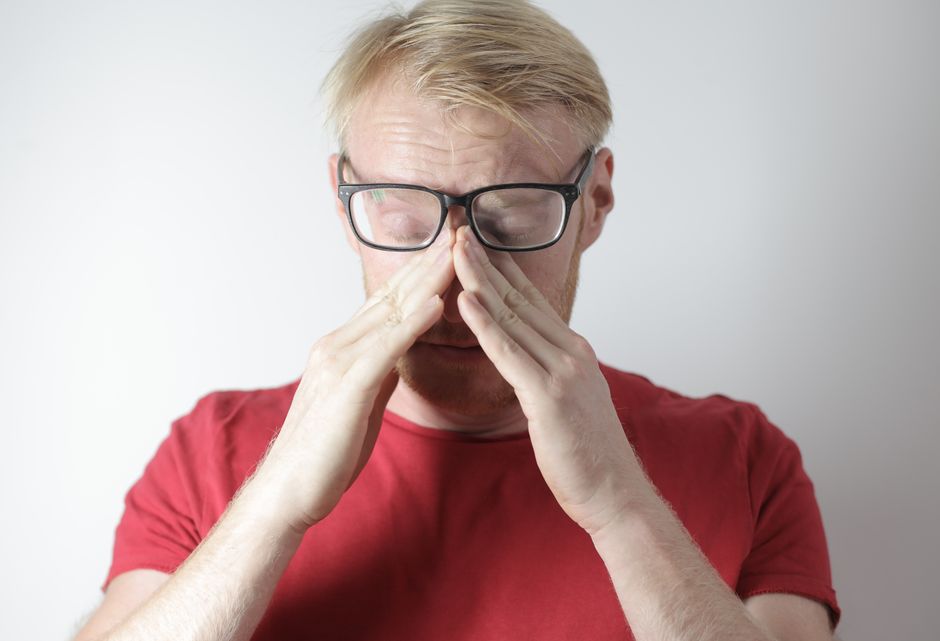
You wake up and your eyes are red, puffy, and itching like crazy. You rub them, but that only makes things worse. Sound familiar? If you deal with seasonal allergies, there is a good chance you have experienced allergic conjunctivitis at some point. It is one of the most common eye complaints during allergy season, and it can make even a sunny spring day feel miserable.
Allergic conjunctivitis is not an infection. It is an allergic reaction that affects the thin, clear tissue lining the inside of your eyelids and the white part of your eye. Understanding what causes it, what to watch for, and how it is treated can help you find relief faster.
What Causes Allergic Conjunctivitis?
Allergic conjunctivitis happens when your immune system overreacts to something harmless in your environment. These triggers are called allergens. When an allergen touches your eye, your immune system releases a chemical called histamine. Histamine causes the blood vessels in your eye to swell, which leads to redness, itching, and tearing.
Common triggers include:
- Pollen from trees, grasses, and weeds
- Pet dander from cats, dogs, or other animals
- Dust mites found in bedding and carpets
- Mold spores in damp indoor or outdoor environments
- Smoke or air pollution
There are two main types. Seasonal allergic conjunctivitis flares up during certain times of year, usually spring and fall, when pollen counts are high. Perennial allergic conjunctivitis happens year-round and is usually triggered by indoor allergens like dust mites or pet dander. Knowing your trigger can make a big difference in managing your symptoms.
Signs and Symptoms to Watch For
Allergic conjunctivitis has a very recognizable set of symptoms. The most common complaint is intense itching. Unlike other types of eye irritation, the itch from an allergic reaction tends to be persistent and hard to ignore. Rubbing your eyes may feel good in the moment, but it actually releases more histamine and makes symptoms worse.
Other common symptoms include:
- Redness in one or both eyes
- Watery or teary eyes
- Swollen or puffy eyelids
- A burning or stinging sensation
- Sensitivity to light
- Stringy or clear discharge from the eye
It is important to know the difference between allergic conjunctivitis and pink eye caused by a bacterial or viral infection. Infectious pink eye often causes thick yellow or green discharge and may spread from one eye to the other. Allergic conjunctivitis usually affects both eyes at the same time and comes with other allergy symptoms like sneezing or a runny nose. If you are not sure which one you have, a provider can help you figure it out.
How Is Allergic Conjunctivitis Treated?
The good news is that allergic conjunctivitis is very treatable. The first and most effective step is to reduce your exposure to whatever is triggering your symptoms. This might mean keeping windows closed on high pollen days, washing your bedding frequently, or keeping pets out of your bedroom.
Several over-the-counter options can help manage mild symptoms:
- Antihistamine eye drops work quickly to reduce itching and redness
- Artificial tears can flush allergens out of your eye and soothe dryness
- Oral antihistamines can help if you have nasal allergy symptoms along with eye symptoms
- Cold compresses placed gently over closed eyes can ease swelling and discomfort
For more severe or persistent symptoms, a healthcare provider may recommend prescription-strength eye drops. These include mast cell stabilizers, stronger antihistamine drops, or in some cases, a short course of steroid eye drops. Allergy immunotherapy, such as allergy shots or sublingual tablets, may also be an option for people who have severe or long-lasting symptoms. A provider can help you decide what approach is right for your situation.
Tips to Protect Your Eyes During Allergy Season
Prevention goes a long way when it comes to allergic conjunctivitis. A few simple habits can reduce how much you suffer during high-pollen periods. One of the most effective things you can do is check daily pollen counts in your area and try to stay indoors when levels are very high, especially on dry and windy days.
Here are some other helpful tips:
- Wear wraparound sunglasses outdoors to keep pollen out of your eyes
- Shower and change your clothes after spending time outside
- Keep your windows closed and use air conditioning when possible
- Avoid rubbing your eyes, even when they itch
- Replace your contact lenses more frequently during allergy season, or switch to daily disposables
- Wash your hands often, especially before touching your face
Contact lens wearers deserve special attention. Allergens can stick to contact lenses and make symptoms much worse. If you wear contacts and struggle with eye allergies, talk to a provider about whether a different lens type or wearing glasses during peak allergy season might help.
When Should You See a Provider?
Mild allergic conjunctivitis often responds well to over-the-counter treatments and home care. However, there are times when it is a good idea to speak with a healthcare provider. If your symptoms are severe, not improving after a few days, or affecting your ability to see clearly, do not wait to get help.
You should also reach out to a provider if you are unsure whether your eye symptoms are caused by allergies or something else, like an infection. Getting the right diagnosis matters because the treatment for bacterial pink eye is very different from the treatment for allergic conjunctivitis. Using the wrong treatment could make things worse or delay your recovery.
If getting to a clinic feels like a hassle when your eyes are swollen and uncomfortable, SendClinic makes it easy to connect with a licensed provider from home through a quick video or phone visit. No insurance is needed, and appointments are fast and affordable. A provider can review your symptoms and help guide you toward the right treatment.
You Do Not Have to Suffer Through It
Allergic conjunctivitis can be frustrating, especially when it keeps coming back every allergy season. But with the right knowledge and the right support, you can manage your symptoms and protect your eyes. Start with simple steps like reducing allergen exposure and using over-the-counter drops. If those do not do the job, do not hesitate to reach out to a provider. Relief is possible, and you deserve to see the world clearly and comfortably.
Whether it is your first time dealing with eye allergies or you have struggled with them for years, help is available. SendClinic is here whenever you need a fast, convenient way to talk to a licensed provider and get back to feeling your best.
References
- Bielory, Leonard. “Ocular Allergy Overview.” Immunology and Allergy Clinics of North America. 2008.
- Rapuano, Christopher J. “Allergic Conjunctivitis.” American Academy of Ophthalmology. 2023.
- Singh, Krati, et al. “Allergic Conjunctivitis: A Comprehensive Review of the Literature.” Cureus. 2023.
- “Eye Allergies (Allergic Conjunctivitis).” American College of Allergy, Asthma and Immunology. 2022.
- “Conjunctivitis (Pink Eye).” Centers for Disease Control and Prevention. 2024.
Need care today? Skip the waiting room.
See a licensed provider by phone or video — fast, affordable, and from the comfort of home. No insurance required.
Individual results may vary. SendClinic is operated by Affection Health Care LLC.
- Share
