
What Is Remote Patient Monitoring? | SendClinic
- Home
- What Is Remote Patient Monitoring? | SendClinic
What Is Remote Patient Monitoring? | SendClinic
When Your Doctor Can Check In Without You Leaving Home
Imagine your doctor knowing how your blood pressure is doing — without you driving to a clinic, sitting in a waiting room, or rolling up your sleeve in an exam room. That is exactly what remote patient monitoring makes possible. It is one of the fastest-growing tools in modern healthcare, and it is quietly changing the way millions of people manage their health every day.
Remote patient monitoring, often called RPM, uses technology to collect health data from patients at home and send it directly to their care team. Whether you are managing a chronic condition or recovering after an illness, RPM keeps your provider in the loop in real time. If you have ever wondered what this technology is, how it works, and whether it might help you, keep reading.
What Remote Patient Monitoring Actually Means
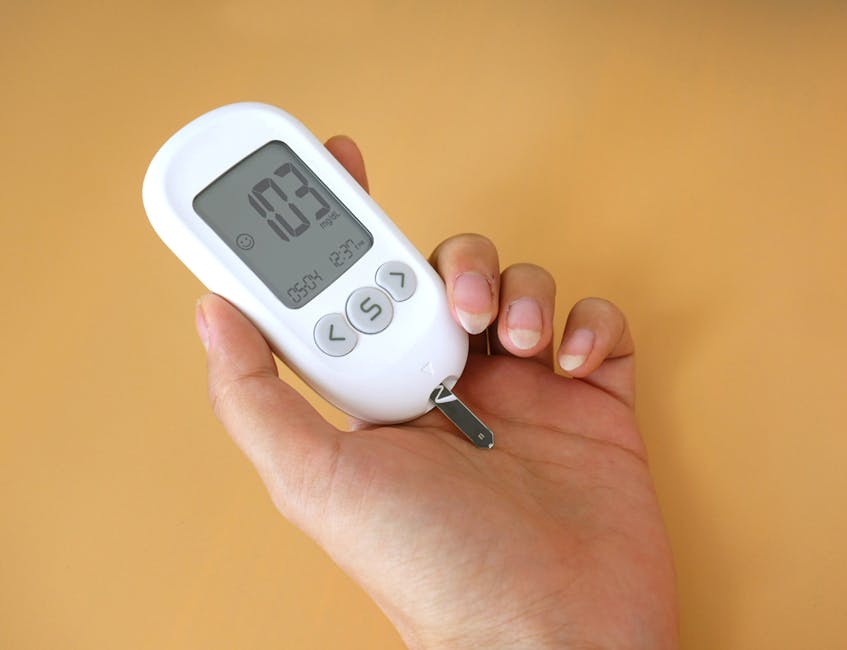
Remote patient monitoring is a type of digital health care. It uses devices like blood pressure cuffs, pulse oximeters, glucose monitors, and weight scales to track your health numbers at home. These devices connect to a smartphone app or a cellular network and send your data to your healthcare provider automatically.
Your care team can then review that information and reach out if something looks off. This means problems can be caught earlier — sometimes before you even feel symptoms. RPM is different from a standard telehealth visit because it provides ongoing, continuous data rather than a single snapshot during an appointment.
It is important to understand that RPM is not a replacement for all in-person care. It is one more tool that works alongside traditional visits, telehealth appointments, and other services to give your provider a fuller picture of your health between visits.
What Conditions Can Remote Patient Monitoring Help With
RPM is most commonly used for chronic conditions that require regular tracking. High blood pressure, also known as hypertension, is one of the most common reasons people use RPM. Checking blood pressure at home gives a more accurate picture than a single reading at a clinic, where nerves can cause numbers to spike.
Diabetes management is another major use. Continuous glucose monitors and other devices help people with diabetes and their care teams see how blood sugar responds to food, exercise, and medication throughout the day. Heart conditions, chronic obstructive pulmonary disease (COPD), and heart failure are also frequently monitored this way.
Beyond chronic disease management, RPM has been used to monitor patients after surgery or a hospital stay. Catching a complication early at home can prevent a return trip to the emergency room. Some programs also monitor pregnant patients for signs of high blood pressure or other concerns during pregnancy.
How the Technology Works
The devices used in RPM are designed to be simple. Most look and feel like everyday consumer gadgets. A blood pressure cuff works just like the one at a pharmacy kiosk. A pulse oximeter clips onto your fingertip. A connected scale works just like a regular bathroom scale. The difference is that these devices are linked to a secure system that transmits your readings.
Data travels from the device to your provider’s clinical platform, usually through Bluetooth or a cellular connection built into the device. Clinicians or monitoring staff review the data on their end. Many programs have alerts set up so that if a reading falls outside a safe range, someone on your care team gets notified right away.
Privacy and security are important parts of any RPM program. Reputable programs follow federal health privacy laws, including HIPAA, to make sure your health information stays protected. Always ask your provider about how your data is stored and who can access it before enrolling in any monitoring program.
What Are the Benefits of Remote Patient Monitoring
One of the biggest benefits of RPM is convenience. You do not have to take time off work, arrange childcare, or drive across town every time your provider needs a health update. Monitoring happens quietly in the background of your daily life, which makes it much easier to stay consistent.
Studies have shown that RPM can help people with chronic conditions keep their numbers better controlled over time. For example, research has linked home blood pressure monitoring with better blood pressure management compared to clinic-only measurements. When providers have more data, they can make more informed decisions about your care.
RPM can also reduce hospital readmissions, which are costly and stressful. When warning signs are caught early, care teams can step in with a phone call, a medication adjustment, or a telehealth visit before a minor issue becomes a serious one. Services like SendClinic make it easy to connect with a licensed provider quickly if your monitoring data raises a concern and you need guidance fast.
Are There Any Downsides to Consider
RPM is not a perfect solution for everyone. Some people, especially older adults who are less comfortable with technology, may find the devices or apps difficult to use. Good RPM programs offer support and clear instructions to help overcome this learning curve, but it is worth asking about what kind of help is available before you start.
Access can also be a challenge. Not all insurance plans cover RPM services, and the cost of devices or monthly monitoring fees can add up. Coverage has been expanding, especially after telehealth rules were updated following the COVID-19 pandemic, but it is smart to check your specific plan details.
There is also the question of data overload. Constant monitoring can cause some people to feel anxious about every reading. A good care team will help you understand what numbers are meaningful and which small fluctuations are normal. Open communication with your provider is key to making RPM work well for you.
How to Get Started With Remote Patient Monitoring
Talk to your primary care provider or specialist about whether RPM makes sense for your health situation. Not every condition benefits equally from monitoring, and your provider can help you decide if it is a good fit. Ask about which devices would be used, how often your data will be reviewed, and who will contact you if something looks concerning.
If you do not have a regular provider or need to speak with someone quickly, a telehealth service like SendClinic can connect you with a licensed clinician by phone or video in minutes — no insurance required. From there, you can discuss your options and get pointed in the right direction for ongoing care.
Remote patient monitoring is still evolving, and the technology is only getting better. As more people and providers embrace it, it has the potential to make healthcare more proactive, more personal, and more convenient for everyone.
References
- Kvedar, Joseph, et al. “The Internet of Things and Connected Health.” Journal of Medical Internet Research. 2016.
- Omboni, Stefano, et al. “The Worldwide Impact of Telemedicine During COVID-19.” Journal of Human Hypertension. 2021.
- Centers for Disease Control and Prevention. “Self-Measured Blood Pressure Monitoring: Action Steps for Clinicians.” CDC. 2014.
- Dorsey, E. Ray, and Eric J. Topol. “State of Telehealth.” New England Journal of Medicine. 2016.
- National Institutes of Health. “Remote Patient Monitoring Programs.” NIH National Library of Medicine. 2023.
Need care today? Skip the waiting room.
See a licensed provider by phone or video — fast, affordable, and from the comfort of home. No insurance required.
Individual results may vary. SendClinic is operated by Affection Health Care LLC.
- Share
